
The meat packing industry plays a critical role in the agricultural sector and food supply chain.
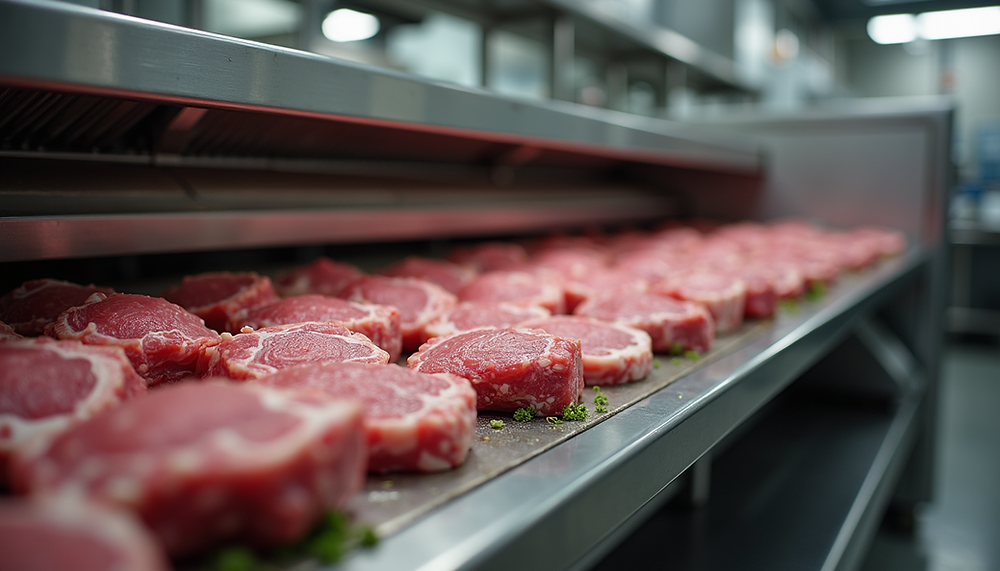
The meat packing industry plays a critical role in the agricultural sector and food supply chain.
Understanding the viability of establishing a meat packing plant requires comprehensive research and analysis.
A feasibility study can provide essential insights into operational, economic, and market dynamics that influence the success of such an endeavor.
A feasibility study serves as a foundation for decision-making, assessing whether the project of establishing a meat packing plant is viable.
It explores various dimensions, including financial, technical, legal, and market factors.
By evaluating these components, stakeholders can make informed choices about the investment and operations involved in launching a new facility.
The analysis provides clarity on potential risks, operational challenges, and the expected return on investment, which is critical for attracting investors and ensuring financial stability.
Meat Packing Plant Feasibility Study Market Analysis Understanding the market landscape is crucial in determining the feasibility of a meat packing plant.
This analysis encompasses evaluating the demand for meat products in the region, examining competitive dynamics, and identifying potential customers.
The demand for meat products tends to fluctuate based on numerous factors, including population growth, changing dietary preferences, and economic conditions.
Emerging trends, such as the growing popularity of organic and ethically sourced meat, can directly influence market demand.
Conducting surveys and gathering data on consumer behaviors can help predict future demands accurately.
Such insights are essential in sizing operations and aligning product offerings with market expectations.
An analysis of the competition will highlight existing players in the meat packing industry and their market shares.
Metrics such as pricing strategies, distribution channels, and product differentiation will shed light on how new entrants can position themselves within the market.
By understanding competitors’ strengths and weaknesses, potential meat packing businesses can identify gaps in service or product offerings, leading to strategic advantages.
Technical feasibility addresses the practical aspects of establishing a meat packing plant, including facility design, equipment requirements, and operational workflows.
The first step in evaluating technical feasibility is identifying an appropriate location for the plant.
Factors such as proximity to livestock sources, suppliers, and transportation infrastructure will greatly influence operational efficiency.
An investment in state-of-the-art equipment is paramount for maintaining product quality and safety.
Considerations include refrigeration units, processing machinery, and sanitation systems.
The right technology not only streamlines production processes but also enhances compliance with health and safety regulations.
Assessing economic feasibility involves detailed financial analysis, including startup costs, operational expenses, and potential revenue generation.
Developing a comprehensive budget outlines estimates for initial investments in land, equipment, labor, and operational overhead.
Aspects such as utilities, maintenance, and raw material costs should also be factored in.
Estimating revenues requires taking into account pricing strategies, production capacities, and projected sales volumes.
A break-even analysis helps determine when the plant will start generating profit, allowing stakeholders to evaluate the financial viability effectively.
The meat packing industry is subject to detailed regulations and standards aimed at ensuring food safety and animal welfare.
It is crucial to understand local, state, and federal laws governing the operation of meat packing plants.
Securing the necessary permits and licenses is fundamental to avoid delays in opening the facility.
Compliance with regulations from bodies like the USDA and FDA ensures that operations meet established safety standards.
Evaluating the environmental impact of a meat packing plant is essential.
Waste management, pollution control, and sustainable sourcing are critical areas of focus that cannot be overlooked.
Addressing these factors will promote corporate responsibility and enhance the plant’s public image.
The operational plan outlines day-to-day management strategies, staffing requirements, supplier relationships, and distribution channels.
Hiring skilled labor is crucial in managing operations effectively.
Training programs should focus on meat processing protocols, food safety measures, and equipment usage to ensure operational excellence.
Building robust relationships with suppliers of livestock, packaging materials, and logistical services will streamline operations and enhance product quality.
A well-coordinated supply chain mitigates risks associated with production delays and inconsistent product availability.
The feasibility study for establishing a meat packing plant provides a comprehensive understanding of market dynamics, technical requirements, economic viability, and regulatory landscape.
This essential research serves as a roadmap for investors, planners, and stakeholders in making informed decisions regarding one of the most critical sectors in the food supply chain.
Conducting thorough due diligence through these evaluations promotes sustainable investment and informed strategic planning, increasing the likelihood of success in an increasingly competitive landscape.

President, Wert-Berater, Inc. — independent feasibility study consultants since 1998. More than 4,000 feasibility studies completed across all 50 states and internationally, evaluating $40.2 billion in project value for SBA, USDA, EB-5, conventional, and institutional financing decisions. Fiduciary duty runs to the lender and agency in every engagement.
+1 310-857-2443 ext. 800 · email · 1968 South Coast Hwy, Ste 2382, Laguna Beach, CA 92651 · 111 Town Square Pl Ste 1238 PMB 657834, Jersey City, NJ 07310 · 539 W. Commerce St #8486, Dallas, TX 75208 · 66 W Flagler Street, Suite 900, PMB 12704, Miami, FL 33130
Schedule a ConversationIndependent feasibility studies since 1998 — 4,000+ engagements, $40.2 billion in evaluated project value. Standard delivery in 10 to 15 business days. Fiduciary duty to the lender and agency.