
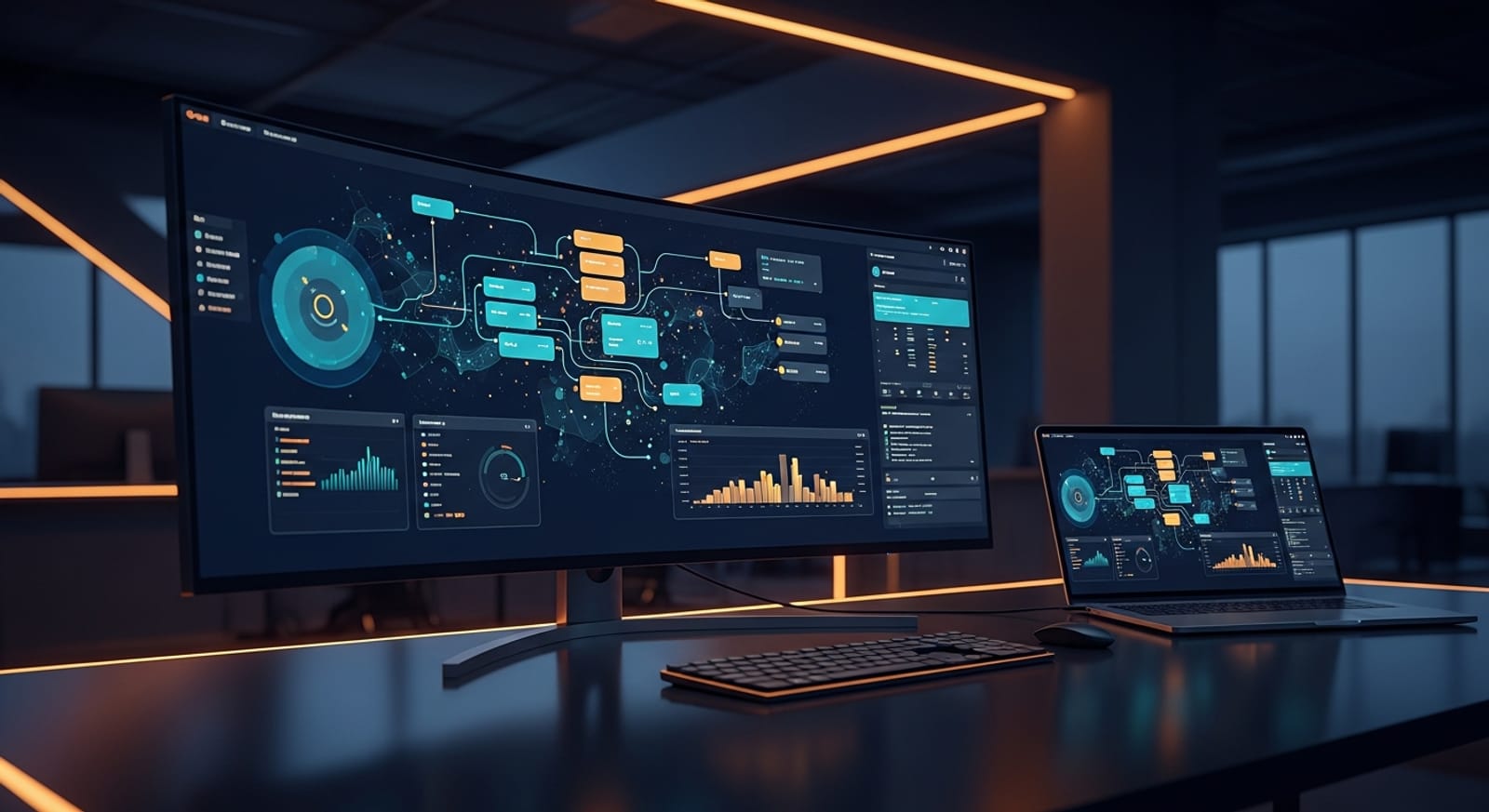
Traditional feasibility studies are static — the moment assumptions change, the PDF is outdated. Wert-Berater’s online project platform connects the financial model, feasibility report, investor presentation, and project HTML package into one coordinated system, so the whole capital package stays aligned as the deal evolves.
Firm-wide engagement figures are distinct from project-specific findings and their stated source periods.
One of Wert-Berater’s most important competitive advantages is our project online platform. Traditional feasibility studies are static: a consultant prepares a PDF, sends it to the developer, and the moment assumptions change — project cost, debt terms, rent, ADR, occupancy, equity structure, absorption, construction timing, or operating expenses — the report becomes outdated.
Wert-Berater solves this problem through a dynamic project platform that connects the financial model, feasibility report, investor presentation, and project HTML package into one coordinated system. For developers seeking financing or equity, this matters because capital formation is iterative. Lenders ask for revisions. Investors request alternative scenarios. Construction budgets change. Interest rates move. Equity structures evolve. Market data gets updated. A static report cannot keep up with that process. The Wert-Berater platform is designed for that reality.
Each project can be organized into a complete online HTML presentation that functions as a living capital package. Instead of forcing lenders and investors to navigate disconnected PDFs, spreadsheets, and pitch decks, the platform presents the project in a professional, browser-based format. The project HTML can include:
This gives developers a cleaner and more professional way to present the project to lenders, equity partners, family offices, banks, SBA lenders, private credit groups, and strategic investors.
The most powerful feature is that the project platform is model-driven. When the financial model is adjusted and uploaded, the linked outputs can update across the project materials. Updated assumptions flow into the reporting package — feasibility report tables, project HTML, investor presentation, lender summary, and dashboard-style exhibits. That means changes to key variables can be reflected consistently across the entire package:
This reduces version-control risk and helps prevent one of the most common problems in capital raising: different documents showing different numbers.
The platform creates a single source of truth for the project. In a traditional financing process, the developer may have one model, the lender may have another version, the investor deck may show older numbers, and the feasibility report may contain assumptions from a prior budget. That creates confusion and can weaken credibility.
Wert-Berater’s platform helps keep the project aligned. The model becomes the core engine; the reports, presentations, and HTML materials are tied back to that model-driven framework. For developers, this means faster revisions, cleaner presentations, and more professional lender/investor communication. For lenders and investors, it means greater transparency, better traceability, and a clearer understanding of how the project responds when assumptions change.
A pitch deck is useful, but it is not enough. A deck tells the story. A feasibility report supports the underwriting. A model proves the math. A dynamic project platform connects all three — that is the advantage.
Wert-Berater gives developers a financing package that can evolve throughout the capital-raising process. As diligence questions arise, the project does not need to be rebuilt from scratch. The model can be revised, uploaded, and used to refresh the project materials. This is especially valuable for developers working through SBA financing, conventional debt, private credit, construction lending, investor equity, or blended capital stacks.
Investors do not want to search through scattered attachments. They want clarity. The Wert-Berater platform allows the developer to present the project in a structured online format that can show the opportunity, the market support, the risk analysis, and the financial return profile in one place. This makes the project easier to understand and easier to evaluate.
It also shows professionalism. A developer who can present a complete, model-driven, source-backed project package signals to capital providers that the project has been organized for serious diligence.
Capital raising is rarely completed in one pass. A project may move through several stages — initial feasibility, lender review, investor review, revised capital stack, updated construction budget, updated model, final underwriting, closing support, and post-closing monitoring.
Wert-Berater’s online platform supports this full process. As the model changes, the project package can change with it. Updated reports and HTML investor presentations can be regenerated or refreshed so the entire project narrative stays aligned with the current numbers. This is not just a technology feature — it is a credibility advantage.
Developers need to prove three things to capital providers: that the market supports the project, that the numbers work, and that the sponsor is prepared to execute. Wert-Berater’s online project platform strengthens all three. It allows the developer to present the project professionally, revise assumptions efficiently, answer diligence questions quickly, and keep lenders and investors working from the same information. That is a major competitive advantage over static feasibility reports, disconnected spreadsheets, and one-time pitch decks.
Wert-Berater’s feasibility platform gives developers more than a PDF report. Each project can be assembled into a complete online HTML presentation supported by the financial model. When the model is adjusted and uploaded, the project materials can be refreshed so the feasibility report, investor presentation, lender summary, dashboards, and HTML project package remain aligned.
This creates a single source of truth for the development team, lenders, and equity investors. Construction costs, debt terms, equity contributions, revenue assumptions, operating expenses, DSCR, investor returns, and sensitivity cases can be updated consistently across the full capital package. For developers seeking financing or equity, this is a major advantage. The capital process is iterative, and assumptions change throughout underwriting and investor diligence. Wert-Berater’s model-driven platform helps developers respond faster, reduce version-control risk, and present a more professional, transparent, and financeable project.
It is a dynamic project platform that connects the financial model, feasibility report, investor presentation, and project HTML package into one coordinated system. Instead of forcing lenders and investors to navigate disconnected PDFs, spreadsheets, and pitch decks, the platform presents the project in a professional, browser-based format that can be refreshed as assumptions change.
Model-driven means the financial model is the core engine and the linked outputs update across the project materials when the model is adjusted and uploaded. If construction costs change, sources and uses update; if debt terms change, DSCR and coverage update; if equity changes, investor returns update; if rent, ADR, occupancy, or absorption changes, revenue updates; if operating expenses change, NOI, EBITDA, and cash flow update; if the timeline changes, ramp-up, stabilization, and funding needs update.
It creates a single source of truth. In a traditional process the developer, lender, investor deck, and feasibility report can all show different numbers, which creates confusion and weakens credibility. Because the reports, presentations, and HTML materials tie back to a model-driven framework, changes to key variables are reflected consistently across the entire package, helping prevent different documents showing different numbers.
The project HTML can include a project overview, sponsor and ownership summary, site and location analysis, market, economic, technical, and financial feasibility findings, sources and uses, capital stack, debt-service coverage, investor return analysis, sensitivity tables, risk assessment, conclusions and recommendations, supporting exhibits, and downloadable report and model links.
A pitch deck tells the story, a feasibility report supports the underwriting, and a model proves the math; a dynamic project platform connects all three. As diligence questions arise, the project does not need to be rebuilt from scratch. The model can be revised, uploaded, and used to refresh the project materials throughout the capital-raising process.
Yes. Capital raising is iterative, moving through initial feasibility, lender review, investor review, revised capital stack, updated budget, updated model, final underwriting, closing support, and post-closing monitoring. As the model changes, the project package can change with it, so updated reports and HTML investor presentations stay aligned with the current numbers.
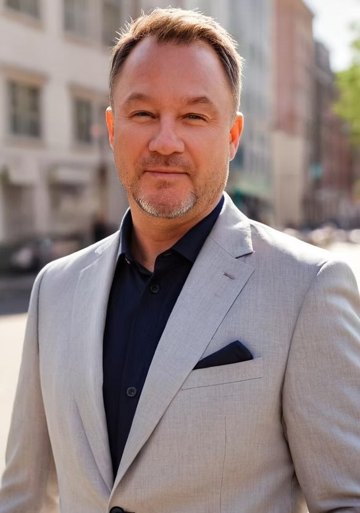
President, Wert-Berater, Inc. — independent feasibility study consultants since 1998. 4,000+ engagements completed across all 50 states and internationally, evaluating $43.8 billion in project value for SBA, USDA, EB-5, conventional, and institutional financing decisions. Fiduciary duty runs to the lender and agency in every engagement.
+1 310-857-2443 ext. 800 · email · 1968 South Coast Hwy, Ste 2382, Laguna Beach, CA 92651 · 111 Town Square Pl Ste 1238 PMB 657834, Jersey City, NJ 07310 · 539 W. Commerce St #8486, Dallas, TX 75208 · 66 W Flagler Street, Suite 900, PMB 12704, Miami, FL 33130
Schedule a ConversationIndependent feasibility studies since 1998 — 4,000+ engagements, $43.8 billion in evaluated project value. Standard turnaround two weeks; RUSH delivery in 7 business days at additional cost. Fiduciary duty to the lender and agency.
Legal disclosure. Wert-Berater, Inc. offices are mailing addresses only. Following the COVID-19 pandemic the firm has elected to work remotely; its office locations receive mail and are not staffed for visitors or in-person meetings. Headquarters mailing address: 1968 South Coast Hwy, Ste 2382, Laguna Beach, CA 92651.
Wert-Berater, Inc. is an independent provider of feasibility studies and other related services. The firm does not provide financing or equity investment advice, and does not arrange, broker, or place debt or equity capital of any kind.
All appraisal assignments are performed by Bruce E. Jones, MAI, ASA-GC, BCA, CMEA, a member of the Appraisal Institute since 2006, a staff member of Wert-Berater, Inc. and owner of Special Purpose Realty Valuation.
Thousands of real estate, business, and machinery appraisal and litigation assignments.