
Coverage is the single number every program watches — but the programs define it differently, and the definitions decide deals.
Preparing an agency-backed deal? See our SBA and USDA feasibility study consultants services — independent, program-compliant, fixed-fee.

Debt service coverage ratio is deceptively simple: cash available for debt service divided by debt service. Every word in that sentence is a convention. SBA practice under SOP 50 10 looks for 1.15x operating coverage and 1.00x global coverage — the global test sweeping in the guarantors’ personal cash flows and obligations. USDA practice under 7 CFR 5001 defines coverage on an EBITDA basis less reasonably expected replacement capital expenditures — a definition with teeth, because it forces capex reserves into the numerator’s calculation rather than letting depreciation games inflate coverage. Conventional credit policies typically require 1.20x or better.
The replacement-capex adjustment deserves more respect than it gets. An RV resort, a hotel, a car wash — these assets consume themselves on a schedule, and a pro forma that shows 1.45x coverage while reserving nothing for the roof, the tunnel equipment, or the FF&E cycle is showing a number that will not survive year six. Wert-Berater models reserves explicitly and reports coverage both ways, so the underwriter sees the difference.
Programs state minimums as single ratios; projects live them as a curve. Year-one coverage on a ground-up project is the binding constraint — a study showing 2.7x stabilized coverage and 1.05x in the first full year has identified its own condition precedent. Our recent practice spans that curve: a Texas RV resort at 2.758x in year three, an event venue exceeding 3.4x on a conservative facility, and component-financed structures where one component covers at 8.38x while its sibling runs 1.50x — each reported as a ten-year trajectory under base and stressed cases.
When coverage is tight, structure is the honest remedy: interest-only periods sized to the ramp, reserves funded at closing, or a smaller facility. The study’s job is to say so plainly.
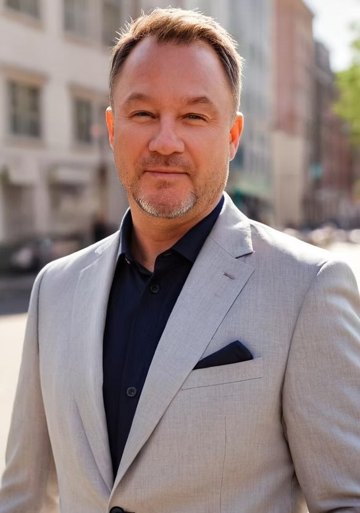
President, Wert-Berater, Inc. — independent feasibility study consultants since 1998. 4,000+ engagements completed across all 50 states and internationally, evaluating $41.2 billion in project value for SBA, USDA, EB-5, conventional, and institutional financing decisions. Fiduciary duty runs to the lender and agency in every engagement.
+1 310-857-2443 ext. 800 · email · 1968 South Coast Hwy, Ste 2382, Laguna Beach, CA 92651 · 111 Town Square Pl Ste 1238 PMB 657834, Jersey City, NJ 07310 · 539 W. Commerce St #8486, Dallas, TX 75208 · 66 W Flagler Street, Suite 900, PMB 12704, Miami, FL 33130
Schedule a ConversationIndependent feasibility studies since 1998 — 4,000+ engagements, $41.2 billion in evaluated project value. Standard delivery in 10 to 15 business days. Fiduciary duty to the lender and agency.
Legal disclosure. Wert-Berater, Inc. offices are mailing addresses only. Following the COVID-19 pandemic the firm has elected to work remotely; its office locations receive mail and are not staffed for visitors or in-person meetings. Headquarters mailing address: 1968 South Coast Hwy, Ste 2382, Laguna Beach, CA 92651.
Wert-Berater, Inc. is an independent provider of feasibility studies and other related services. The firm does not provide financing or equity investment advice, and does not arrange, broker, or place debt or equity capital of any kind.
All appraisal assignments are performed by Bruce E. Jones, MAI, ASA-GC, BCA, CMEA, a member of the Appraisal Institute since 2006, a staff member of Wert-Berater, Inc. and owner of Special Purpose Realty Valuation.