
America does not have a shortage of ideas — it has a shortage of bankable projects. This national, state-by-state analysis maps where demand is genuinely unmet, which capital actually fits, and why an independent feasibility study is what decides whether a project gets financed.
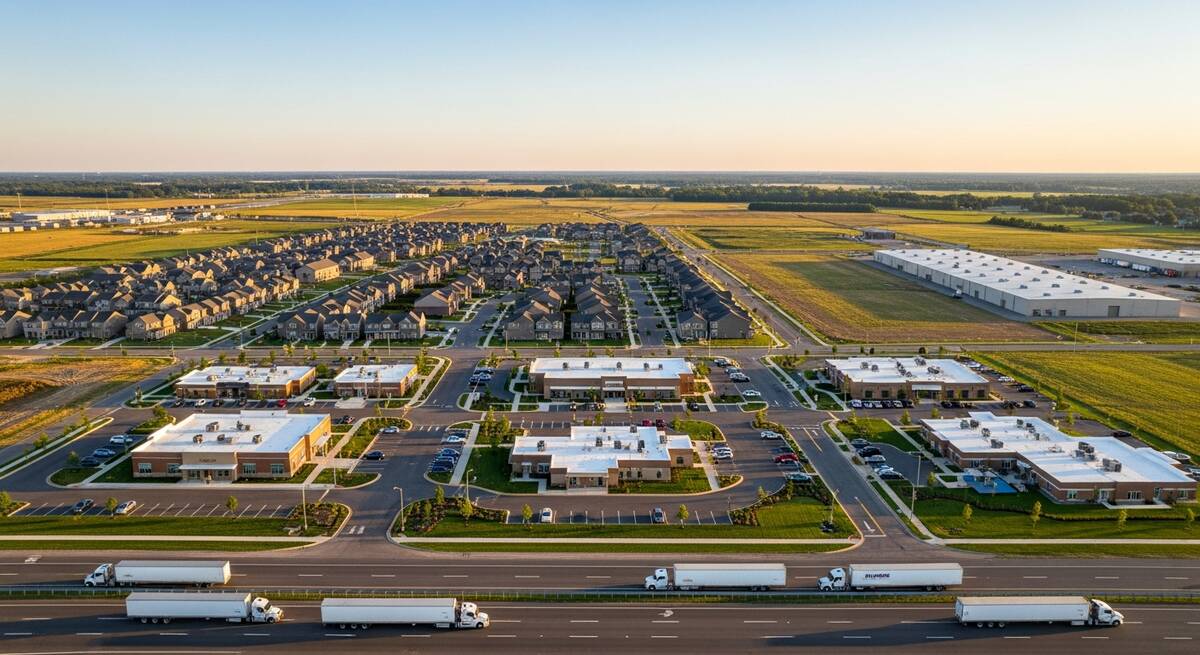
Rural freight corridors are a recurring example, since truck demand often exists where resident population does not; see our truck stop feasibility study consultant page.
Firm-wide engagement figures are distinct from project-specific findings and their stated source periods.
Across the United States, demand is growing for housing, childcare, healthcare access, senior living, truck parking, logistics infrastructure, outdoor lodging, event venues, sports facilities, food access, EV charging, and specialized franchise services. But the best opportunities are rarely obvious. They are hidden in the gap between what a community needs and what lenders, developers, operators, and investors can actually finance.
That is the core challenge. A project can be socially needed and still fail financially. A town may need a childcare center, rural clinic, hotel, event venue, car wash, glamping resort, truck stop, sports complex, franchise restaurant, or senior-care facility — but the project only becomes feasible when demand, site, management, costs, debt service, collateral, and capital stack all work together.
Public Estimates, may be outdated: the U.S. population grew by about 0.5% from July 2024 to July 2025, while Census Vintage 2025 provides the most recent completed state population estimates. That matters because growth states need new housing, childcare, healthcare, restaurants, recreation, storage, event space, auto services, hotels, and logistics infrastructure. Slower-growth states still have opportunity, but it is usually tied to replacement demand, adaptive reuse, healthcare access, senior care, tourism, or distressed-asset repositioning.
The capital environment is selective but not closed. The Federal Reserve’s January 2026 bank lending survey reported tighter C&I lending standards for firms of all sizes, but stronger demand for large and middle-market C&I loans and stronger CRE loan demand, and banks expected demand to strengthen across loan categories in 2026. Translation: capital is available, but weak assumptions, thin equity, poor management, and unproven markets are harder to finance.
The most attractive underserved opportunities fall into ten broad categories. For each, the pattern is the same: real demand exists, but bankability depends on site, cost, operator, and capital structure.
Housing remains one of the deepest structural needs in the country, but it is not automatically bankable. Harvard’s 2026 housing report points to persistent affordability challenges, rising cost burdens, weak existing-home sales, and pressure on both renters and owners.
| Project type | Best locations | Why demand exists | Major risks |
|---|---|---|---|
| Workforce housing | Growth metros, resort towns, manufacturing hubs, healthcare hubs | Workers cannot live near jobs | Zoning, construction cost, achievable rents |
| Build-to-rent | Sun Belt suburbs, family-growth corridors | Homeownership affordability gap | Oversupply in some metros, rate sensitivity |
| Affordable housing | Nearly every state | Rent burden and undersupply | LIHTC complexity, operating margins |
| Senior housing | Aging suburbs, secondary metros, affluent rural retirement areas | Aging population and limited supply | Staffing, licensure, care acuity |
| Mixed-use infill | Downtowns, college towns, medical districts | Walkability and adaptive reuse | Parking, entitlement, lease-up risk |
Best opportunities: workforce housing near hospitals, universities, military bases, industrial plants, logistics hubs, and resort communities. Highest risk: luxury multifamily in already-supplied urban cores without clear income-qualified demand.
Healthcare opportunity is strongest where access gaps meet stable reimbursement or strong private-pay demand. Rural hospital stress is severe: Chartis reported that 46% of rural hospitals had negative operating margins, 432 were vulnerable to closure, and many rural communities have lost OB and chemotherapy access.
| Project type | Best fit | Capital profile | Feasibility issue |
|---|---|---|---|
| Rural health clinics | Rural counties, hospital-service gaps | SBA, USDA, health-system partnership | Provider recruitment |
| Urgent care / hybrid primary care | Suburban growth corridors | SBA, conventional, private equity | Competition and payer mix |
| Behavioral health / SUD centers | Appalachia, South, rural Midwest, urban underserved | Medicaid, grants, CDFI, NMTC | Staffing, reimbursement |
| Oncology / infusion | Rural regions losing chemotherapy access | Health-system, USDA, conventional | Physician referral base |
| Dental / vision clinics | Rural and low-income markets | SBA, conventional, franchise | Provider economics |
| Senior care / home health franchise | Aging suburbs and rural counties | SBA, franchise loans | Labor and compliance |
Best opportunities: rural outpatient hubs, behavioral health, mobile clinics, senior care, specialty infusion, and healthcare real estate leased to strong operators. Highest risk: new inpatient hospital development without enough patient volume, payer support, staffing, and transfer relationships.
Childcare is one of the clearest unmet-demand categories nationally. Child Care Aware of America’s 2025 report found that supply has not kept pace with families’ needs and that prices remain out of reach for many households.
| Project type | Best locations | Why it works | Major risks |
|---|---|---|---|
| Childcare centers | Fast-growth suburbs, job centers, healthcare districts | Population growth + dual-income households | Staffing, licensing, affordability |
| Franchise childcare | Higher-income suburbs | Brand, systems, lender familiarity | Real estate and labor cost |
| Special-needs therapy centers | Suburban medical corridors | High unmet family demand | Clinical staffing |
| After-school / enrichment | Middle- and upper-income suburbs | Recurring family spending | Seasonality |
| Private school / microschool | Growth corridors with school crowding | Parent demand for alternatives | Enrollment ramp |
Best opportunities: childcare in new suburban communities before schools and public infrastructure catch up. Highest risk: undercapitalized childcare centers that rely on aggressive enrollment assumptions without enough teachers, working capital, or local income support.
Freight infrastructure is one of the most durable underserved sectors because it follows real goods movement. The FHWA recognizes truck parking shortages as a national issue under Jason’s Law, and the shortage affects safety, freight efficiency, and driver compliance.
| Project type | Best locations | Why demand exists | Major risks |
|---|---|---|---|
| Secure truck parking | Interstate freight corridors, ports, warehouse clusters | Driver shortage of safe overnight parking | Land, zoning, community opposition |
| Truck wash / washout | Port, reefer, livestock, food-grade, ag corridors | Repeat fleet demand | Water, wastewater, throughput |
| Cold storage | Food production, ports, grocery distribution | E-commerce grocery and food logistics | Power, refrigeration capex |
| Small-bay industrial | Fast-growth suburbs and contractor markets | Local trades need space | Overbuilding, tenant quality |
| Outdoor storage | Logistics and equipment markets | Yard space scarcity | Zoning and screening requirements |
| Workforce extended-stay hotels | Industrial megaprojects, energy basins, construction corridors | Project-based labor demand | Demand cliff after project completion |
Best opportunities: truck parking + wash + repair + fleet contracts near high-friction logistics markets. Highest risk: buying cheap rural land that lacks highway access, driver demand, utilities, zoning support, or fleet contracts.
Outdoor recreation is a major economic force. Public Estimates, may be outdated: BEA reported outdoor recreation accounted for $696.7 billion, or 2.4% of U.S. GDP, in 2024. NPS reported 323 million recreation visits in 2025, including more than 13 million overnight stays.
| Project type | Best locations | Why demand exists | Major risks |
|---|---|---|---|
| Glamping resorts | Park gateways, lakes, mountains, wine regions | Outdoor demand + hotel scarcity | Seasonality, septic, zoning |
| RV park upgrades | Interstate and recreation corridors | Aging supply and RV travel demand | Utility capex |
| Boutique cabins | High-income drive markets | Couples, wellness, families | Overpricing “camping” |
| Adaptive reuse hotels | Historic downtowns, college towns | Local identity and tourism | Renovation surprises |
| Wellness retreats | Mountains, lakes, deserts, rural luxury markets | High-spend experiential travel | Labor and programming |
Best opportunities: acquire older campgrounds or RV parks with zoning and utilities, then add premium glamping/cabin units. Highest risk: raw-land luxury glamping with no water/septic solution, no year-round demand, and no entitlement path.
Public Estimates, may be outdated: CoStar and Tourism Economics upgraded their 2026 U.S. hotel RevPAR growth forecast to +2.8% after stronger-than-expected performance in early 2026. The hotel opportunity is not “build more hotels everywhere”; it is chain-scale and submarket specific.
| Hotel type | Best locations | Opportunity thesis |
|---|---|---|
| Midscale extended stay | Construction, healthcare, military, energy, data-center, manufacturing markets | Longer stays and workforce demand |
| Upscale select-service | Medical districts, universities, suburban mixed-use | Efficient operations and better ADR |
| Boutique / soft brand | Tourism, historic downtowns, park gateways | Differentiation and local identity |
| Luxury resort | High-barrier leisure markets | Scarce supply and pricing power |
| Economy repositioning | Interstate, workforce, distressed assets | Buy below replacement cost |
Best opportunities: extended stay near multi-year construction, healthcare, military, and manufacturing demand. Highest risk: generic limited-service hotels in saturated suburban or highway markets. For a deeper treatment, see our 2026 hotel opportunity analysis by chain scale.
Senior housing demand is rising while new supply remains constrained. Public Estimates, may be outdated: NIC reported senior housing occupancy reached 89.5% in the 31 NIC MAP Primary Markets in Q1 2026, with Secondary Markets reaching 90.2%.
| Project type | Best locations | Why demand exists | Major risks |
|---|---|---|---|
| Assisted living | Aging suburbs, secondary metros | Need-based care | Staffing, licensure |
| Memory care | Affluent aging markets | High-acuity demand | Operating complexity |
| Active adult | Sun Belt, retiree migration markets | Lifestyle demand | Oversupply risk |
| Home care franchise | Aging communities nationwide | Aging in place | Labor recruitment |
| Adult day care | Urban and rural caregiver markets | Caregiver relief | Medicaid/private-pay mix |
Best opportunities: smaller, well-located senior care assets with strong operator discipline and realistic staffing assumptions. Highest risk: luxury active adult in markets where rent, labor, and absorption assumptions are too aggressive.
Youth sports, weddings, community events, and recreational facilities can be excellent projects, but they are classic special-purpose assets. Their collateral value is often less important than operating cash flow.
| Project type | Best locations | Why demand exists | Major risks |
|---|---|---|---|
| Indoor sports complexes | Texas, Southeast, Midwest growth suburbs | Heat/weather, youth sports, tournaments | Capex, utilization |
| Wedding / event centers | Suburban growth corridors, scenic rural edges | Weddings, quinceañeras, corporate events | Seasonality, marketing |
| Pickleball / racquet clubs | Affluent suburbs, retirement markets | Adult recreation | Saturation |
| Family entertainment centers | Family-growth suburbs | Birthday and weekend demand | Concept obsolescence |
| Aquatics centers | School / community markets | Swimming access | High operating cost |
Best opportunities: indoor multisport facilities, event venues with strong local income, and public-private sports tourism projects. Highest risk: large standalone facilities built on optimistic attendance instead of signed leases, club commitments, or booked events. See our pickleball and sports entertainment demand map for where these pencil.
Franchising remains a major expansion vehicle because lenders like systems, brand standards, historical unit economics, and operating playbooks. Public Estimates, may be outdated: the International Franchise Association’s 2026 outlook projects franchise output rising from $907.3 billion to $921.4 billion, franchise establishments growing to about 845,000 units, and franchise employment rising to nearly 8.9 million jobs.
| Franchise type | Strongest markets | Why |
|---|---|---|
| Childcare | Fast-growth suburbs | Structural supply gap |
| Senior care / home care | Aging markets nationwide | Recurring need |
| Home services | Growth suburbs, storm-prone states | Repair, maintenance, remodeling |
| Auto service / tires | Commuter suburbs, logistics corridors | Essential use |
| Health / wellness | Higher-income suburbs | Recurring consumer demand |
| QSR / fast casual | Residential and employment growth nodes | Daily traffic |
| Pet care | High-income residential markets | Recurring household spending |
| Cleaning / restoration | Commercial and disaster-prone markets | Insurance and B2B demand |
Best opportunities: essential-service franchises in growth markets where demand is recurring, not novelty-driven. Highest risk: restaurant franchises with high buildout costs, weak unit economics, poor site selection, or excessive royalties relative to margins.
AI, electrification, and grid constraints are creating major infrastructure opportunities. CBRE’s 2026 data center outlook says U.S. data-center demand remains unprecedented, vacancy is historically low, and pricing is high, but new supply is increasingly difficult because power delivery and interconnection timelines can stretch to 24, 36, or 48+ months. The Department of Energy’s Alternative Fuels Data Center tracks EV charging and other alternative-fuel infrastructure, noting that EV charging continues to involve rapidly changing technology and growing infrastructure needs.
| Project type | Best locations | Major feasibility driver |
|---|---|---|
| EV charging hubs | Highways, retail centers, multifamily, fleet depots | Utility capacity and utilization |
| Fleet charging | Logistics, municipal, delivery fleets | Contracted demand |
| Data centers | Power-rich land, fiber, tax-friendly jurisdictions | Power interconnection |
| Battery storage | Grid-constrained markets | Interconnection and revenue stack |
| Microgrids | Hospitals, cold storage, campuses, rural sites | Reliability value |
| Solar + storage | Rural commercial, agricultural, industrial users | Incentives and load match |
Best opportunities: fleet charging, behind-the-meter energy, and data-center-adjacent infrastructure where power is real. Highest risk: speculative EV charging sites without utilization, utility capacity, or anchor users.
Capital is available, but it is highly project-specific. The best financing structure depends on asset class, borrower experience, collateral, project cost, working capital, historical operations, and whether the project is startup, acquisition, expansion, or construction.
| Capital source | Best fit | Strength | Watch-outs |
|---|---|---|---|
| Conventional bank loan | Stabilized CRE, strong borrower, strong DSCR | Lower cost of capital | Requires collateral and track record |
| SBA 7(a) | Business acquisition, working capital, startup, franchise | Flexible uses | Guarantee fees, eligibility, lender policy |
| SBA 504 | Owner-occupied real estate and equipment | Long-term fixed-rate component | Job creation / public policy goals, equity rules |
| USDA B&I | Rural businesses and rural real estate | Strong for rural projects | Rural eligibility and feasibility requirements |
| USDA Community Facilities | Essential rural public-use facilities | Healthcare, education, public-serving assets | Usually nonprofit / public-use fit |
| NMTC | Distressed census tracts, community impact | Can fill major capital gaps | Complex, larger transactions favored |
| CDFI / community lender | Underserved markets, small businesses | Flexible mission capital | Limited capacity |
| Tax-exempt bonds | Healthcare, education, nonprofit, public facilities | Long-term capital | Legal and issuance complexity |
| LIHTC | Affordable housing | Deep subsidy source | Competitive allocation |
| Historic tax credits | Adaptive reuse | Gap financing for historic projects | Compliance and documentation |
| PACE / energy financing | Energy, HVAC, solar, water conservation | Long amortization | State / local availability varies |
| Equipment finance | Washes, kitchens, manufacturing, medical | Matches useful life | Does not solve real estate gap |
| Private equity / JV | Larger, higher-return projects | Fills equity gap | Higher return expectations |
| Seller financing | Business acquisitions, special-purpose assets | Bridges valuation gaps | Seller credit risk |
SBA’s 7(a) and 504 programs remain central to small business and owner-occupied real estate finance. SBA announced that, effective July 4, 2026, eligible borrowers may combine up to $5 million in 7(a) and $5 million in 504 financing, for up to $10 million in SBA-backed financing.
USDA B&I is especially important for rural projects. USDA says the program improves rural economic health by increasing access to business capital through loan guarantees; in FY 2026, USDA announced an increase in the B&I guarantee from 80% to 85% for projects under $5 million, with eligible projects in rural areas generally under 50,000 population.
NMTC can be powerful for projects in distressed communities. The CDFI Fund states that the NMTC Program has generated $8 of private investment for every $1 of federal funding and supported construction or rehabilitation of more than 268 million square feet of commercial real estate as of FY 2023.
These are indicative underwriting ranges, not guarantees. Actual returns vary by site, leverage, operator, market, construction cost, cap rate, interest rate, tax structure, and exit conditions.
| Project category | Typical return profile | Risk level | Bankability |
|---|---|---|---|
| Stabilized essential-service franchise | Moderate to high cash-on-cash if unit economics are proven | Moderate | Strong with brand + experienced operator |
| Owner-occupied business real estate | Wealth-building through debt paydown + operating profit | Moderate | Strong via SBA 504 / conventional |
| Workforce housing | Moderate yield, high public need | Moderate | Strong with subsidy or proven rents |
| Affordable housing | Lower direct return, subsidy-driven | Moderate | Strong but complex |
| Senior housing / care | High need, potentially strong margins | High | Operator-dependent |
| Childcare | High demand, moderate margins | Moderate to high | Strong if enrollment and staffing are proven |
| Truck parking / wash | Strong if location is right | Moderate | Strong with fleet contracts |
| Hotels / extended stay | Cyclical but attractive in right markets | Moderate to high | Strong with brand, comp set, demand |
| Glamping / outdoor hospitality | High upside in unique sites | High | More difficult without track record |
| Sports / event facilities | Can be strong with anchors | High | Needs leases, bookings, or public support |
| Data centers / energy | Very high capital scale | High | Strong only with power and credit tenant |
| EV charging | Emerging, utilization-dependent | High | Strongest with fleet or site anchor |
| Adaptive reuse | High value creation | High | Needs cost control and entitlement clarity |
The most bankable projects tend to have contracted or recurring demand: childcare enrollment, franchise sales history, healthcare leases, fleet contracts, long-stay hotel accounts, senior-care occupancy, government reimbursement, or anchor tenants. The least bankable projects rely on “build it and they will come.”
A feasibility study is required, strongly recommended, or effectively necessary when the lender cannot rely on historical operating performance alone.
| Situation | Why lenders ask for it |
|---|---|
| Startup business | No operating history |
| Ground-up construction | Future cash flow is projected, not proven |
| Special-purpose property | Collateral has limited alternative use |
| Hotel, car wash, truck wash, event center, sports facility, marina, school, childcare, healthcare, RV park, glamping resort | Business cash flow drives repayment |
| Franchise new unit | Brand exists, but local unit demand must be proven |
| Business acquisition with expansion | Historical results may not reflect future plan |
| Major renovation or repositioning | Past performance may be irrelevant |
| Rural USDA project | Program rules may require independent feasibility |
| High leverage / thin DSCR | Lender needs downside testing |
| Weak collateral or specialized equipment | Repayment source must be validated |
| New market entry | Operator has no local proof |
USDA’s B&I checklist states that the Agency may require a feasibility study when lender analysis, the borrower’s business plan, or project information is not sufficient to determine technical feasibility, market feasibility, or economic viability. It also states that for guaranteed loans over $1 million to a new business, a feasibility study by an independent qualified consultant acceptable to the Agency is required.
SBA’s SOP 50 10 governs loan origination policies for 7(a) and 504 loans. In practice, SBA lenders often require third-party feasibility support when a project is startup, projection-based, special-purpose, construction-heavy, or dependent on a new market rather than historical cash flow. For a fuller treatment, see when a feasibility study is required.
A real feasibility study is not a marketing deck. It should include:
| Section | Purpose |
|---|---|
| Executive summary | Tells the lender whether the project is feasible and why |
| Economic feasibility | Population, income, employment, growth, macro conditions |
| Market feasibility | Demand, competitors, pricing, unmet need, capture rate |
| Technical feasibility | Site, zoning, utilities, construction, timeline, capacity |
| Financial feasibility | Sources / uses, revenue model, pro forma, DSCR, break-even |
| Management feasibility | Operator experience, staffing, systems, execution capacity |
| Risk analysis | Identifies downside risks and mitigation |
| Sensitivity testing | Shows what happens if costs rise or revenue falls |
| Capital stack review | Tests whether debt, equity, reserves, and collateral are adequate |
| Feasibility conclusion | Favorable, favorable subject to conditions, marginal, or unfavorable |
The highest-value part of the study is often the stress test. A project that only works under perfect assumptions is not feasible. A bankable project should survive reasonable downside scenarios.
A feasible project has seven things working at once.
Demand should be proven by data, not enthusiasm. Examples:
Good projects fail on bad sites. The site must have access, visibility, utilities, zoning, parking, stormwater, ingress/egress, and community acceptance.
Too much debt kills otherwise good projects. A lender will look for adequate equity, realistic contingency, sufficient working capital, DSCR cushion, collateral support, reserve funding, borrower liquidity, and guarantor strength.
Special-purpose projects are operator businesses. The lender is not just financing a building; the lender is financing execution.
If the pro forma assumes top-of-market pricing without top-of-market product, reviews, brand, or location, the study should flag it.
Startups rarely stabilize immediately. Wedding venues, hotels, childcare centers, franchises, event centers, sports complexes, and glamping resorts all need ramp-up time.
A feasible project should still meet acceptable DSCR or have a credible path to survival under lower revenue, higher expenses, delayed opening, or higher interest rates.
This 50-state analysis is a strategic opportunity map, not a claim that every listed project is automatically feasible. The recommendations are based on broad public demand drivers: population growth, rural access gaps, housing affordability, tourism, logistics, healthcare, senior care, energy, franchise growth, and state economic patterns.
| State | Most underserved opportunities | Best capital fit | Feasibility watch-outs |
|---|---|---|---|
| Alabama | Rural healthcare, childcare, workforce housing, senior care, logistics / truck services, QSR franchises, event venues near growth suburbs | USDA B&I, SBA 504, SBA 7(a), NMTC | Income sensitivity, rural provider shortages, storm risk |
| Alaska | Tribal / rural healthcare, cold storage, energy resilience, workforce lodging, tourism cabins, specialty food processing, childcare | USDA, NMTC, tribal capital, SBA | Extreme construction cost, labor scarcity, seasonality |
| Arizona | Senior housing, build-to-rent, childcare, urgent care, EV charging, glamping, data-center / power infrastructure | Conventional, SBA 504, private equity | Water, heat, land entitlement, power capacity |
| Arkansas | Rural healthcare, Ozarks glamping, childcare, truck parking, workforce housing, food processing, senior care | USDA, SBA, NMTC | Rural income levels, operator depth, seasonality |
| California | Childcare, senior care, adaptive reuse, EV charging, wellness, cold storage, boutique hotels, infill housing | Conventional, SBA 504, NMTC, tax credits | Entitlement, labor, insurance, taxes, fire / flood |
| Colorado | Workforce housing, childcare, outdoor hospitality, senior care, wellness, EV charging, resort support services | Conventional, SBA 504, private equity | Land cost, water, wildfire, labor housing |
| Connecticut | Senior care, healthcare real estate, childcare, boutique adaptive reuse, medical office, specialty food | Conventional, SBA 504 | Slow growth in some areas, high costs, local approvals |
| Delaware | Logistics, senior living, childcare, coastal hospitality, healthcare clinics, franchise services | SBA 504, conventional, CDFI | Coastal flood risk, small-market saturation |
| Florida | Senior living, healthcare, childcare, storm-resilient hospitality, truck parking, cold storage, event venues, home services franchises | Conventional, SBA, 504, private equity | Insurance, hurricanes, floodplain, labor |
| Georgia | Logistics, truck parking / wash, rural healthcare, childcare, EV / battery workforce hotels, event venues, QSR / home services franchises | SBA, USDA, 504, NMTC | Rural healthcare payer mix, Atlanta-area competition |
| Hawaii | Boutique hospitality, workforce housing, childcare, senior care, renewable energy, specialty agriculture / food | SBA, USDA, 504, local capital | Land cost, permitting, labor, island logistics |
| Idaho | Housing, childcare, senior care, outdoor recreation, healthcare clinics, RV / glamping, home services | SBA 504, conventional, USDA | Infrastructure strain, water, labor |
| Illinois | Logistics / truck parking, industrial services, adaptive reuse, childcare, senior care, healthcare, self-storage in growth pockets | Conventional, SBA 504, NMTC | Taxes, population loss in some areas, urban permitting |
| Indiana | Manufacturing workforce lodging, childcare, truck parking, industrial flex, senior care, franchise services | SBA 504, USDA, conventional | Workforce cycles, secondary-market demand depth |
| Iowa | Rural healthcare, senior care, childcare, ag processing, workforce hotels, small industrial, rural franchises | USDA, SBA, 504 | Rural density, provider recruitment |
| Kansas | Rural healthcare / CAH stabilization, childcare, ag processing, truck parking, senior care, energy-support projects | USDA, SBA, NMTC | Low patient volumes, rural labor, healthcare fragility |
| Kentucky | Logistics, rural healthcare, childcare, distillery tourism, workforce lodging, senior care, truck services | USDA, SBA, 504 | Rural health outcomes, income sensitivity |
| Louisiana | Industrial services, energy support, cold storage, rural healthcare, logistics, truck parking, storm recovery services | SBA, USDA, NMTC | Hurricane / flood risk, insurance, coastal exposure |
| Maine | Senior care, rural healthcare, glamping, boutique lodging, childcare, workforce housing, specialty food | USDA, SBA 504, CDFI | Seasonality, labor, winter operations |
| Maryland | Healthcare, biotech support, childcare, senior living, data-center-adjacent services, adaptive reuse | Conventional, SBA 504, NMTC | High land cost, regulation, entitlement |
| Massachusetts | Childcare, senior care, healthcare / biotech real estate, adaptive reuse, boutique hotels, workforce housing | Conventional, NMTC, SBA 504 | High cost, labor, zoning |
| Michigan | Senior care, childcare, manufacturing support, lakefront / outdoor hospitality, truck services, healthcare clinics | SBA, USDA, 504 | Weather, legacy assets, submarket variation |
| Minnesota | Senior housing, childcare, rural health / OB access, cold storage, outdoor hospitality, medical real estate | SBA, USDA, conventional | Winter seasonality, labor availability |
| Mississippi | Rural healthcare, childcare, logistics, affordable / workforce housing, truck services, food processing | USDA, NMTC, SBA | Income levels, healthcare payer mix, management depth |
| Missouri | Logistics, truck parking, rural healthcare, Ozarks tourism, childcare, senior care, event venues | SBA, USDA, NMTC | Market sizing outside metros, rural labor |
| Montana | Rural healthcare, senior care, outdoor hospitality, workforce housing, cold storage, tourism services | USDA, SBA 504 | Seasonality, labor scarcity, land / utility constraints |
| Nebraska | Ag processing, childcare, rural healthcare, senior care, logistics, workforce lodging | USDA, SBA 504 | Rural density, labor, limited comps |
| Nevada | Logistics, hospitality, senior living, EV charging, water-efficient development, data / power infrastructure | Conventional, SBA 504, private equity | Tourism cycles, water, labor, heat |
| New Hampshire | Senior care, childcare, boutique lodging, healthcare clinics, small industrial, outdoor recreation | SBA 504, conventional | Permitting, limited labor, seasonality |
| New Jersey | Cold storage, logistics, childcare, eldercare, healthcare, truck parking / wash, adaptive reuse | Conventional, SBA 504, NMTC | Land cost, zoning, taxes, competition |
| New Mexico | Rural healthcare, behavioral health, childcare, energy services, workforce lodging, glamping, cultural tourism | USDA, NMTC, SBA | Water, income levels, provider shortage |
| New York | Adaptive reuse, childcare, senior care, Hudson Valley / Catskills lodging, healthcare, EV charging, mixed-use | Conventional, NMTC, SBA 504 | Taxes, entitlement, labor, urban / suburban divergence |
| North Carolina | Manufacturing support, logistics, childcare, senior care, healthcare, glamping, workforce hotels, home services | SBA, 504, USDA, conventional | Rapid-growth supply risk, infrastructure strain |
| North Dakota | Energy services, workforce housing, childcare, rural health, senior care, truck / logistics support | USDA, SBA 504 | Commodity cycles, population concentration |
| Ohio | Manufacturing / data-center support, childcare, senior care, logistics, truck parking, healthcare clinics, adaptive reuse | SBA 504, conventional, NMTC | Aging assets, submarket selection |
| Oklahoma | Rural healthcare, childcare, energy services, truck parking / wash, senior care, behavioral health | USDA, SBA, NMTC | Healthcare fragility, commodity cycles |
| Oregon | Childcare, senior care, outdoor hospitality, EV charging, cold storage / ag, adaptive reuse, workforce housing | Conventional, SBA 504, NMTC | Wildfire, permitting, land-use constraints |
| Pennsylvania | Logistics / truck parking, senior care, healthcare, childcare, adaptive reuse, boutique tourism, event venues | SBA 504, conventional, NMTC | Aging infrastructure, taxes, rural hospital stress |
| Rhode Island | Senior care, healthcare, childcare, boutique / adaptive reuse, coastal hospitality, specialty food | SBA 504, conventional | Small-market scale, flood / coastal risk |
| South Carolina | Logistics, coastal tourism, childcare, healthcare clinics, senior living, truck parking, home services franchises | SBA, USDA, 504 | Coastal insurance, hurricane risk, rapid-growth strain |
| South Dakota | Ag processing, childcare, rural healthcare, senior care, Black Hills tourism, workforce housing | USDA, SBA 504 | Low density, seasonality |
| Tennessee | Logistics / manufacturing, rural healthcare, glamping, childcare, event venues, senior care, franchise services | SBA, USDA, 504 | Rural healthcare risk, rapid-growth market saturation |
| Texas | Truck parking / wash, childcare, senior living, event venues, sports facilities, data centers, manufacturing workforce hotels, home services franchises | SBA 504, conventional, USDA, private equity | Heat, insurance, power, water, entitlement |
| Utah | Outdoor hospitality, childcare, senior care, data centers, housing, EV charging, wellness | Conventional, SBA 504 | Water, land cost, entitlement, power |
| Vermont | Senior care, childcare, rural healthcare, boutique tourism, specialty food, small hospitality | USDA, SBA, CDFI | Labor, seasonality, slow population growth |
| Virginia | Data centers, healthcare, childcare, senior living, truck parking, defense-related lodging, adaptive reuse | Conventional, SBA 504, NMTC | Power capacity, community opposition, high-cost submarkets |
| Washington | Data-center / power support, childcare, senior care, outdoor hospitality, cold storage, logistics, EV charging | Conventional, SBA 504, NMTC | Power, permitting, wildfire, labor |
| West Virginia | Rural healthcare, behavioral health / SUD, senior care, glamping, childcare, small manufacturing, tourism | USDA, NMTC, SBA | Income levels, workforce, rural access |
| Wisconsin | Senior care, childcare, manufacturing support, truck parking, lake / outdoor hospitality, rural healthcare | SBA, USDA, 504 | Aging population, labor, rural density |
| Wyoming | Energy services, rural healthcare, outdoor hospitality, senior care, truck parking, workforce lodging | USDA, SBA 504 | Low density, seasonality, commodity cycles |
Best targets: childcare franchise; senior home care franchise; home services franchise; auto service / tire / quick lube; small event venue; small indoor training facility; boutique glamping cabins; owner-occupied flex / warehouse; local food production or specialty retail.
Best financing: SBA 7(a); SBA 504; equipment loans; seller financing; franchise lender programs.
Key feasibility issue: local demand and owner / operator capability.
Best targets: workforce housing; mixed-use infill; adaptive reuse; medical office; truck parking; extended-stay hotels; senior housing; cold storage; childcare real estate; small-bay industrial.
Best financing: conventional construction loan; SBA 504 if owner-occupied; USDA B&I if rural; NMTC if eligible census tract; LIHTC for affordable housing; private equity / JV.
Key feasibility issue: entitlement, construction cost, debt yield, DSCR, exit value.
Best targets: childcare; senior care; pet care; home services; automotive; restoration / cleaning; health / wellness; QSR in growth corridors.
Best financing: SBA 7(a); SBA 504 for owned real estate; franchise lender programs; seller financing; equipment finance.
Key feasibility issue: site selection, local sales potential, royalties, labor, ramp-up.
Best targets: sports complexes; rural healthcare; childcare; workforce housing; food access; community facilities; adaptive reuse downtown projects; broadband / energy resilience; rural business incubators.
Best financing: USDA; NMTC; municipal bonds; tax increment financing; grants; CDFI capital; philanthropic support; private operating partner.
Key feasibility issue: separating community economic impact from project-level cash flow.
A market is underserved until new supply no longer earns an acceptable return. Saturation is reached when:
| Sector | Saturation signal |
|---|---|
| Childcare | Waitlists disappear, tuition discounting begins, staffing costs exceed pricing power |
| Hotels | Occupancy falls below comp-set feasibility threshold and ADR stagnates |
| Truck parking | Peak overnight occupancy drops below profitable levels |
| Glamping | Weekends no longer sell out and weekday demand disappears |
| Senior housing | Occupancy softens while labor costs rise |
| Event venues | Peak-season Saturdays remain open and pricing discounts rise |
| Sports facilities | Prime-time utilization drops below viable levels |
| Franchise QSR | Same-brand or same-category units cannibalize trade area |
| EV charging | Utilization remains low and power costs exceed charging margin |
| Data centers | Power, interconnection, and community opposition make delivery uneconomic |
| Self-storage | Rent concessions rise and street rates fall despite population growth |
The strongest feasibility studies do not just ask, “Is there demand?” They ask, “How much demand is left after existing and proposed competitors are counted?” That is the discipline behind a proper capture-rate analysis.
A feasibility study is the bridge between an entrepreneur’s plan and a lender’s credit decision. It answers five questions:
A good feasibility study can prevent three common mistakes: building in the wrong location, overbuilding the project, and using financial projections that cannot survive lender stress testing. It can also help borrowers secure better capital by showing that the project has a defensible market, realistic costs, adequate equity, sufficient working capital, and a credible repayment source.
For special-purpose projects, feasibility is even more important because the property may have limited alternative use. A wedding venue, truck wash, hotel, sports complex, childcare center, marina, theater, glamping resort, car wash, healthcare clinic, or franchise unit may not be easily converted to another use without cost. That means the lender is underwriting the operating business as much as the real estate.
Before buying land, signing a franchise agreement, closing on a building, or applying for a loan, answer these questions.
The best underserved opportunities in America are not simply in the fastest-growing states or hottest industries. They are where four forces overlap:
The most promising national categories are childcare, senior care, rural healthcare, workforce housing, truck parking and truck wash, logistics infrastructure, extended-stay hotels, adaptive reuse, outdoor hospitality, essential-service franchises, healthcare real estate, EV / fleet charging, and special-purpose community facilities. But the winning projects will not be the biggest or flashiest. They will be the projects with the clearest proof of demand, the most realistic cost basis, the strongest operator, the most appropriate financing, and a feasibility study that survives lender scrutiny.

President, Wert-Berater, Inc. — independent feasibility study consultants since 1998. 4,000+ engagements completed across all 50 states and internationally, evaluating $43.8 billion in project value for SBA, USDA, EB-5, conventional, and institutional financing decisions. Fiduciary duty runs to the lender and agency in every engagement.
+1 310-857-2443 ext. 800 · email · 1968 South Coast Hwy, Ste 2382, Laguna Beach, CA 92651 · 111 Town Square Pl Ste 1238 PMB 657834, Jersey City, NJ 07310 · 539 W. Commerce St #8486, Dallas, TX 75208 · 66 W Flagler Street, Suite 900, PMB 12704, Miami, FL 33130
Schedule a ConversationIndependent feasibility studies since 1998 — 4,000+ engagements, $43.8 billion in evaluated project value. Standard delivery in 10 to 15 business days. Fiduciary duty to the lender and agency.
Legal disclosure. Wert-Berater, Inc. offices are mailing addresses only. Following the COVID-19 pandemic the firm has elected to work remotely; its office locations receive mail and are not staffed for visitors or in-person meetings. Headquarters mailing address: 1968 South Coast Hwy, Ste 2382, Laguna Beach, CA 92651.
Wert-Berater, Inc. is an independent provider of feasibility studies and other related services. The firm does not provide financing or equity investment advice, and does not arrange, broker, or place debt or equity capital of any kind.
All appraisal assignments are performed by Bruce E. Jones, MAI, ASA-GC, BCA, CMEA, a member of the Appraisal Institute since 2006, a staff member of Wert-Berater, Inc. and owner of Special Purpose Realty Valuation.
Thousands of real estate, business, and machinery appraisal and litigation assignments.