
The increasing global demand for renewable energy has sparked a renewed interest in anaerobic digestion and biogas production.
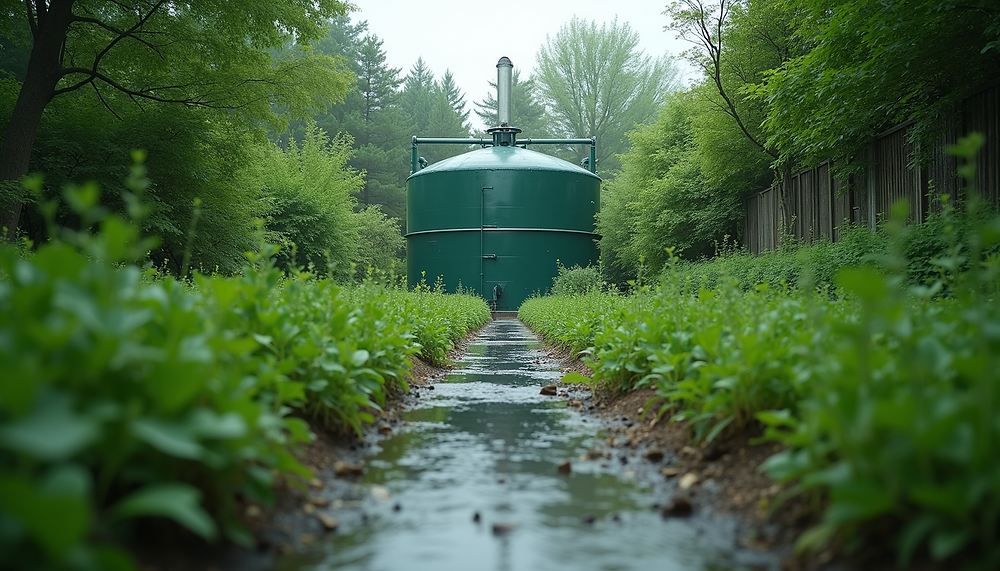
The increasing global demand for renewable energy has sparked a renewed interest in anaerobic digestion and biogas production.
With environmental issues at the forefront of discussions about sustainable energy solutions, understanding the feasibility of anaerobic digesters is vital.
This blog post will provide in-depth insights into anaerobic digestion processes and the critical elements needed for an effective feasibility study.
Anaerobic digestion is a biological process where microorganisms break down organic matter without oxygen.
This occurs naturally in environments like wetlands and the digestive systems of various animals. In controlled settings, anaerobic digesters capture these microorganisms' abilities to convert biomass into biogas, primarily made up of methane and carbon dioxide.
The main feedstocks for anaerobic digestion include:
By utilizing these organic materials, anaerobic digesters not only produce energy but also help reduce greenhouse gas emissions and manage waste effectively.
For example, agricultural waste alone can account for about 40% of the world's total waste production, making it an influential contributor to sustainable solutions.
Anaerobic Digester / Biogas Feasibility Study Benefits of Biogas Production Biogas production through anaerobic digestion provides multiple advantages.
First, biogas is a clean, renewable energy source. It can be employed for electricity generation, heating, or upgraded to biomethane for use as transportation fuel.
In 2022, the biogas sector contributed nearly 3% of the total U.S. renewable energy generation, showcasing its growing significance.
Second, anaerobic digestion plays a key role in reducing organic waste that typically just sits in landfills.
When waste decomposes anaerobically in landfills, it releases methane, a potent greenhouse gas.
For context, landfills account for about 15% of methane emissions in the U.S. Additionally, the digestate created during the digestion process can serve as high-quality fertilizer.
This not only enriches soil but also supports sustainable agricultural practices, promoting healthy crop growth.
Conducting a feasibility study for an anaerobic digester involves several essential components to evaluate its success potential.
The first step is to analyze the availability and characteristics of potential feedstocks. Understanding factors such as the volume of organic material available, its type, and seasonal availability is crucial.
For instance, a dairy farm might yield 20 tons of manure per week during peak seasons, which could significantly affect the digester's efficiency and profitability.
Choosing the right site for the digester is critical. Considerations include proximity to feedstock sources, transportation infrastructure, and zoning regulations.
For example, a site located within five miles of agricultural operations may reduce transportation costs significantly.
Different types of anaerobic digestion technologies exist, each with unique operating conditions and efficiencies.
When selecting a technology, it will be necessary to research the options and potentially consult experts.
For instance, continuous stirred-tank reactors (CSTRs) may be preferred for larger operations, while batch digesters might be suitable for smaller setups.
Assessing the financial aspects of the project is essential.
This involves evaluating capital costs, operational costs, and potential revenue from energy generation and fertilizers.
A detailed financial model outlining various scenarios will help illuminate the project's economic outlook.
For example, a well-structured model could reveal that an initial investment of $500,000 could yield a return on investment of up to 15% per year over a 20-year period.
Understanding the local regulations and permitting requirements is critical to the feasibility study.
Early engagement with regulatory bodies can help clarify necessary permits and expedite the approval process.
It's essential to consider the environmental implications of the anaerobic digestion project.
This includes evaluating potential emissions and the overall carbon footprint of the digester. Conducting a life cycle assessment (LCA) can provide valuable insights.
An LCA can show that anaerobic digestion significantly reduces greenhouse gas emissions compared to traditional waste management and energy generation methods, with estimates suggesting reductions of up to 70%.
Community involvement is crucial for the success of an anaerobic digester project. Local residents can offer valuable feedback and highlight potential concerns.
By establishing open communication channels, you can better inform the community about the project’s benefits and gain their support, which is essential for smooth implementation.
The feasibility study for anaerobic digesters and biogas production is a comprehensive endeavor that can lead to significant benefits in energy generation, waste management, and environmental stewardship.
By thoroughly examining feedstock availability, site conditions, technology options, economic factors, regulatory issues, environmental impact, and community input, decision-makers can confidently move forward with their anaerobic digestion projects.
As the push for renewable energy continues to grow, anaerobic digesters stand as a practical solution to meet energy demands and promote ecological well-being.
A thorough feasibility study lays the groundwork for successful projects, providing long-term benefits for today and future generations.
By tapping into anaerobic digestion's potential, we can help create a cleaner, more sustainable planet.

President, Wert-Berater, Inc. — independent feasibility study consultants since 1998. More than 4,000 feasibility studies completed across all 50 states and internationally, evaluating $40.2 billion in project value for SBA, USDA, EB-5, conventional, and institutional financing decisions. Fiduciary duty runs to the lender and agency in every engagement.
+1 310-857-2443 ext. 800 · email · 1968 South Coast Hwy, Ste 2382, Laguna Beach, CA 92651 · 111 Town Square Pl Ste 1238 PMB 657834, Jersey City, NJ 07310 · 539 W. Commerce St #8486, Dallas, TX 75208 · 66 W Flagler Street, Suite 900, PMB 12704, Miami, FL 33130
Schedule a ConversationIndependent feasibility studies since 1998 — 4,000+ engagements, $40.2 billion in evaluated project value. Standard delivery in 10 to 15 business days. Fiduciary duty to the lender and agency.