
Apartment Feasibility Study Consultants, Wert-Berater, Inc. Introduction: Why State-Level Apartment Demand Matters The Apartment New Development Demand by State analysis has become a vital component for…
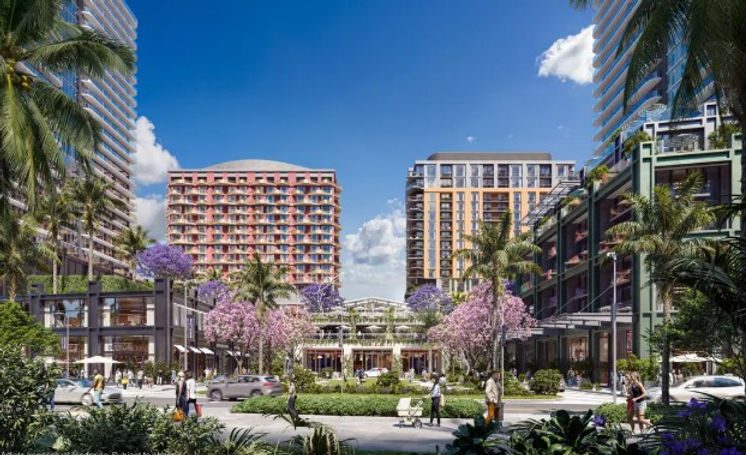
Apartment Feasibility Study Consultants, Wert-Berater, Inc. Introduction: Why State-Level Apartment Demand Matters The Apartment New Development Demand by State analysis has become a vital component for developers and investors in 2025. Rising construction costs, regional migration patterns, and shifting interest rate expectations are reshaping multifamily investment returns nationwide.
While national housing undersupply remains in the millions, local feasibility and IRR depend on three primary levers:
States with population in-migration , pro-development regulation , and rent headroom are best positioned for new apartment projects.
Understanding asset class tiers is key to modeling cost and return accurately.
Class
Description
Typical Rent Range
Investor Profile
Class A
New, luxury, high-amenity, prime urban/suburban
Highest rents
Core & Core-Plus investors
Class B
Mid-market, moderate amenities, built within 10–20 years
Mid-level rents
Value-add developers & yield investors
Class C
Older or basic, low-amenity, workforce housing
Affordable rents
Workforce housing & private capital
Class
National Avg. Cost/Unit (2025)
Low-Cost States
High-Cost States
Cost Drivers
$300,000–$450,000
TX, GA, NC, AZ
CA, NY, HI, WA
Land, high-rise design, labor
$300,000–$300,000
TX, FL, TN, IN
OR, MA, CO
Finishes, parking, entitlements
$250,000–$300,000
AL, OH, IA, MO
CA, NY
Code upgrades, land availability
Source: ConstructEstimates.com , RSMeans 2025, CBRE Multifamily Cost Index.
Feasibility scores combine demand strength and cost efficiency , while IRR rankings reflect modelled returns under standardized hold periods.
Ranking Variables:
Each state receives a Feasibility Score (0–100) combining these metrics.
Rank
State
Population Growth
Avg. Rent Growth (3Y)
Feasibility Score (0–100)
Est. Equity IRR (5-Year)
Texas
1.6%
12%
93
17–19%
Florida
1.5%
15%
91
16–18%
North Carolina
1.3%
11%
88
15–17%
Georgia
1.2%
10%
86
14–16%
Arizona
1.4%
13%
85
14–16%
Colorado
1.0%
9%
82
13–15%
Tennessee
1.3%
9%
81
13–15%
Indiana
0.8%
8%
78
12–14%
Utah
1.5%
10%
77
12–14%
10
Idaho
1.4%
10%
76
12–13%
Key Takeaway: Sunbelt and Mountain states continue to dominate due to migration, favorable regulations, and balanced rent-to-income ratios.
State Group
Notes
Midwest (OH, MI, MO, KS, WI)
Lower build cost, moderate demand; IRR 10–13% typical.
Northeast (PA, MA, CT)
Strong rent base, high cost, IRR compressed (9–12%).
Pacific NW (OR, WA)
High demand but heavy regulation; Class A feasible only.
Rockies (NV, NM, CO)
Construction cost inflation risk; pick metros with stable job bases.
Rank Range
State Examples
Feasibility Challenges
41–50
CA, NY, HI, AK, NJ, IL, RI, VT, ME, CT
Entitlement delays, high land & labor cost, tight rent caps, or stagnating population growth.
IRR range: 6–10% average on 5-year holds unless ultra-luxury or subsidized. Exit outlook: Core buyers only; slower appreciation cycles.
Hold Period
Typical Strategy
Target Equity IRR (Class B Projects)
Risk Level
3-Year
Merchant build & sell at stabilization
18–22%
High
5-Year
Stabilize + 1–2 years cash flow, then exit
14–17%
Medium
7-Year
Include rent growth + refinance option
12–15%
Moderate
10-Year
Long-term hold for appreciation
10–13%
Lower
+1% rent growth → +150–200 bps IRR improvement +0.25% cap rate at exit → −50–70 bps IRR +10% construction cost → −120–150 bps IRR
Modeling these sensitivities is critical before securing land or construction financing.
Strategy
Hold Period
Execution Steps
Typical Buyer
Build-to-Sell (Merchant)
3–5 yrs
Develop → Lease-up → Stabilize → Exit
REITs, insurance capital
Refinance & Hold
5–7 yrs
Stabilize → Cash-out refinance → Distribute equity → Continue ops
Private equity funds
Build-to-Core
7–10 yrs
Develop premium asset for institutional exit
Core/core-plus funds
Portfolio Recap
Any
Sell partial stake; recapitalize at higher valuation
Institutional co-GPs
Pro tip: A refi + partial sale hybrid often achieves the best risk-adjusted IRR between years 5–7.
Risk
Mitigation
Construction inflation
Fixed-price GC contracts, early procurement
Interest rate volatility
Rate caps, forward swaps
Rent softening
Flexible lease terms, micro-amenities
Over-supply risk
Target high-barrier submarkets, not entire metros
Insurance & taxes
Build in 10–15% contingency
Region
Avg. Build Cost (Class B)
Exit Cap Rate (2025)
Avg. 5-yr IRR Band
Sunbelt
$320k
5.25–5.75%
15–17%
Midwest
$290k
6.0–6.5%
12–14%
Mountain West
$340k
5.75–6.0%
13–15%
Northeast
$380k
5.0–5.25%
9–12%
West Coast
$350k+
4.75–5.0%
8–11%
Q1: Which states have the highest rent growth outlook through 2026? Florida, Texas, North Carolina, and Arizona lead rent projections, with annual growth between 3.5–5.5% .
Q2: How do equity IRRs compare between Class A and B developments? Class B often delivers 1–2% higher IRR due to lower basis and similar rent growth potential.
Q3: What’s the breakeven hold period for most developers? Typically 5 years — after lease-up and 2–3 years of stable NOI.
Q4: Are suburban or urban infill projects more profitable? Suburban Class B/C assets yield higher IRRs, while urban Class A provides long-term stability and liquidity.
Q5: What is the best exit strategy for a 7-year investor? Refinance in year 5, distribute equity, then sell in year 7 as a stabilized income asset.
Q6: How can small developers compete with institutions? Partner with local landowners, use modular or panelized construction, and focus on underserved secondary metros.
The Apartment New Development Demand by State landscape remains favorable where population and jobs grow faster than new supply . Sunbelt, Mountain, and selective Midwest metros dominate for feasibility and IRR potential.
Short-term investors (3–5 yrs) should focus on merchant build-to-sell in Texas, Florida, and Georgia. Longer-term investors (7–10 yrs) benefit from holding in North Carolina, Tennessee, or Colorado , capturing sustained rent appreciation.
Exit smart, build lean, and model early —that’s the 2025 blueprint for superior multifamily returns.
Donald Safranek, President, Wert-Berater, Inc. Feasibility Study Consultants Wert-Berater Feasibility Studies, LLC
1968 South Coast Highway
Suite 2382
Laguna Beach CA 92651

President, Wert-Berater, Inc. — independent feasibility study consultants since 1998. More than 4,000 feasibility studies completed across all 50 states and internationally, evaluating $40.2 billion in project value for SBA, USDA, EB-5, conventional, and institutional financing decisions. Fiduciary duty runs to the lender and agency in every engagement.
+1 310-857-2443 ext. 800 · email · 1968 South Coast Hwy, Ste 2382, Laguna Beach, CA 92651 · 111 Town Square Pl Ste 1238 PMB 657834, Jersey City, NJ 07310 · 539 W. Commerce St #8486, Dallas, TX 75208 · 66 W Flagler Street, Suite 900, PMB 12704, Miami, FL 33130
Schedule a ConversationIndependent feasibility studies since 1998 — 4,000+ engagements, $40.2 billion in evaluated project value. Standard delivery in 10 to 15 business days. Fiduciary duty to the lender and agency.