
Franchising opens doors to entrepreneurship, attracting many aspiring business owners who seek a proven model and support system.
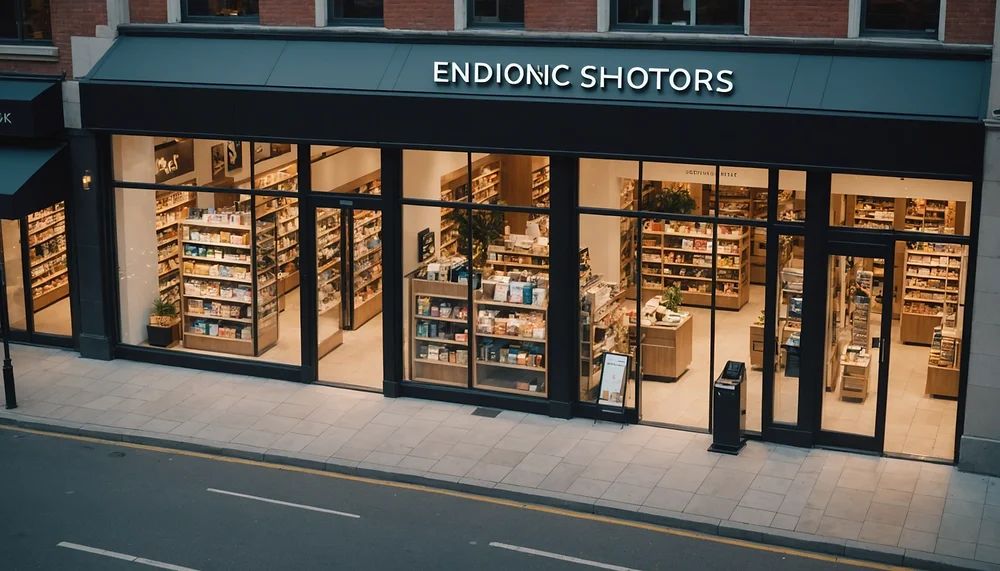
Franchising opens doors to entrepreneurship, attracting many aspiring business owners who seek a proven model and support system.
However, before taking the plunge into this venture, completing a comprehensive feasibility study is essential.
This article highlights the importance of feasibility studies in franchising by breaking down their role, process, and main considerations.
A feasibility study is an essential tool that evaluates the viability of a proposed business venture. It covers crucial areas like market analysis, financial projections, and operational assessments, helping stakeholders understand potential challenges and opportunities.
For instance, a well-executed study can reveal whether a franchise opportunity aligns with an investor’s goals and aspirations.
As an example, a prospective franchisee examining a popular coffee chain might uncover that this brand has a loyal customer base in their area, pointing to a strong market demand.
Additionally, by analyzing data, they can identify potential challenges like high competition from local cafes that could impact profitability.
SBA Feasibility Study The Importance of Feasibility Studies in Franchising A feasibility study plays several vital roles when assessing a franchise opportunity:
Several key components make up a thorough feasibility study:
A detailed market analysis is crucial. It requires gathering data on demographics, consumer behavior, and industry trends.
A franchise considering entry into the fitness industry, for instance, would benefit from knowing that 64% of Americans who join gyms never use their memberships.
This figure indicates untapped potential for a franchise that focuses on providing niche fitness solutions.
Assessing the competition is similarly critical. Identifying leading players, their market presence, and unique strategies can uncover opportunities to differentiate and target unmet needs.
Financial projections form the backbone of the feasibility study. These projections should detail all costs associated with launching and operating the franchise:
By carefully analyzing these metrics, potential franchisees can make informed investment decisions and gauge the likelihood of achieving a positive return.
An operational assessment evaluates the franchise's business model and its sustainability. Key factors to consider include:
While crucial, feasibility studies can present challenges:
Accessing reliable data can sometimes prove difficult. Many new markets lack adequate reports or statistics, making it hard to generate solid insights.
For example, if a franchise seeks to enter a niche market, a lack of available data might impair effective analysis.
Conducting a thorough study can be time-consuming. Entrepreneurs may feel pressured to rush through this phase, risking incomplete analyses and poor decisions.
Taking time for a detailed study can save costly mistakes later.
Investors might struggle with personal biases or emotional attachments to certain franchise concepts.
To make the best decisions, it is vital to remain objective and critically evaluate all aspects of the feasibility study.
SBA Feasibility Study Essential Takeaways for Franchise Success In the world of franchising, a feasibility study is more than just a step; it is the foundation for success.
Armed with accurate market insights, financial projections, and operational assessments, franchisees can make informed choices and enhance the prospect of a profitable business.
By investing time and effort in this analysis, entrepreneurs can navigate the complexities of franchising with clarity and confidence.
The combination of data-driven insights and strategic planning is vital for achieving success in this competitive landscape.

President, Wert-Berater, Inc. — independent feasibility study consultants since 1998. More than 4,000 feasibility studies completed across all 50 states and internationally, evaluating $40.2 billion in project value for SBA, USDA, EB-5, conventional, and institutional financing decisions. Fiduciary duty runs to the lender and agency in every engagement.
+1 310-857-2443 ext. 800 · email · 1968 South Coast Hwy, Ste 2382, Laguna Beach, CA 92651 · 111 Town Square Pl Ste 1238 PMB 657834, Jersey City, NJ 07310 · 539 W. Commerce St #8486, Dallas, TX 75208 · 66 W Flagler Street, Suite 900, PMB 12704, Miami, FL 33130
Schedule a ConversationIndependent feasibility studies since 1998 — 4,000+ engagements, $40.2 billion in evaluated project value. Standard delivery in 10 to 15 business days. Fiduciary duty to the lender and agency.