
In today's fast-paced world, convenience stores have become an essential part of daily life, offering quick access to everyday items.
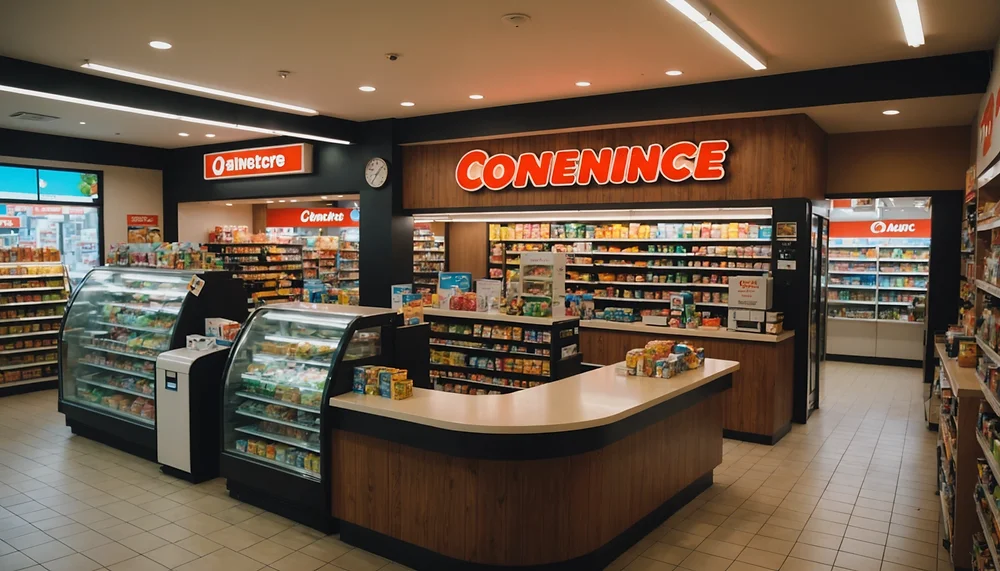
In today's fast-paced world, convenience stores have become an essential part of daily life, offering quick access to everyday items.
Before jumping into this business venture, it is vital to conduct a comprehensive feasibility study.
This study acts as your blueprint, guiding you through potential risks and rewards of opening a convenience store.
A robust market analysis is the backbone of any feasibility study. Start by examining the local demographics, such as population size, average income, and buying habits.
For instance, a neighborhood with approximately 5,000 residents earning an average income of $70,000 may indicate strong demand, especially if it lacks a grocery store within a 1-mile radius .
Investigate what products the community currently lacks. Are they interested in fresh food, snacks, or personal care items? This insight helps ensure your store caters to the community effectively.
convenience store feasibility study Evaluating Business Location Choosing the right location can make or break your convenience store. Look for spots with high visibility and easy access.
Perform an analysis of potential sites based on foot traffic, which can increase customer visits.
For example, a study might reveal that a bustling area near a college campus sees over 1,000 pedestrians per day.
Also, consider how close you are to the competition; being situated within 500 feet of an established store could affect your success.
Don't overlook local zoning laws and necessary permits needed to operate. Navigating these regulations smoothly is crucial to prevent delays and unnecessary costs.
Where the question is site competition rather than lender reliance, a gas station and convenience store market report documents competing stores, traffic counts, fuel positions, foodservice offer and access.
Understanding the current competitive landscape can give you an edge.
Evaluate nearby convenience stores on factors like product variety, pricing strategies, and customer service.
For example, if local competitors primarily focus on snacks and beverages but don’t offer fresh food, you could fill that gap.
Researching customer reviews reveals preferences; if 80% of reviews mention long wait times, you can prioritize efficient service to set yourself apart.
Financial analysis is a vital part of your feasibility study.
Estimate your startup costs and projected revenue.
Start with startup expenses like leasing, renovations, initial inventory, and licenses, which could total around $300,000 .
Then, calculate potential earnings based on local sales data. A convenience store in a similar neighborhood might average $2,000 in daily sales.
This projection can help you understand how long it might take to break even.
Be sure to identify funding sources, like personal savings, small business loans, or investors, to cover these initial costs.
Successful operations are key to your store's longevity. Outline staffing needs and inventory management systems as part of your feasibility study.
Understanding the local labor market can help you set competitive wages.
In regions where minimum wage is $25 per hour , this can significantly affect your payroll. Establishing solid inventory management practices will help maintain stock without overspending.
Consider forging relationships with suppliers for better pricing and improved product quality, which can also streamline your operations.
Every business comes with risks. Identifying potential challenges ahead of time allows you to make informed decisions.
Key risks include sudden shifts in consumer preferences, economic downturns, or price fluctuations in goods.
Early identification enables you to create contingency plans. For instance, if consumer interest in health foods rises, being quick to adapt your offerings can maintain sales.
Once your feasibility study confirms that opening a convenience store is a solid investment, focus on effective marketing strategies.
Determine how to reach your audience through local events, community engagement, or online advertising.
For example, 60% of consumers respond positively to promotions involving community sponsorships.
Creating a loyalty program can encourage repeat business and help boost sales too, appealing directly to customer preferences identified in your study.
Conducting a thorough feasibility study for a convenience store sets you up for success.
From assessing market conditions and competition to understanding finances and operational needs, each step builds a deeper understanding of your potential business.
Where the store is paired with fuel, the inside-store analysis is consolidated with fuel and ancillary revenue in a single pro forma. That combined engagement is delivered as a gas station and c-store feasibility study.
By preparing wisely and gaining valuable insights, you can become equipped to thrive in today’s competitive retail environment.
Taking the time for careful planning increases not just your chances of success but also your ability to adapt in shifting landscapes.

President, Wert-Berater, Inc. — independent feasibility study consultants since 1998. 4,000+ engagements completed across all 50 states and internationally, evaluating $41.2 billion in project value for SBA, USDA, EB-5, conventional, and institutional financing decisions. Fiduciary duty runs to the lender and agency in every engagement.
+1 310-857-2443 ext. 800 · email · 1968 South Coast Hwy, Ste 2382, Laguna Beach, CA 92651 · 111 Town Square Pl Ste 1238 PMB 657834, Jersey City, NJ 07310 · 539 W. Commerce St #8486, Dallas, TX 75208 · 66 W Flagler Street, Suite 900, PMB 12704, Miami, FL 33130
Schedule a ConversationIndependent feasibility studies since 1998 — 4,000+ engagements, $41.2 billion in evaluated project value. Standard delivery in 10 to 15 business days. Fiduciary duty to the lender and agency.
Legal disclosure. Wert-Berater, Inc. offices are mailing addresses only. Following the COVID-19 pandemic the firm has elected to work remotely; its office locations receive mail and are not staffed for visitors or in-person meetings. Headquarters mailing address: 1968 South Coast Hwy, Ste 2382, Laguna Beach, CA 92651.
Wert-Berater, Inc. is an independent provider of feasibility studies and other related services. The firm does not provide financing or equity investment advice, and does not arrange, broker, or place debt or equity capital of any kind.
All appraisal assignments are performed by Bruce E. Jones, MAI, ASA-GC, BCA, CMEA, a member of the Appraisal Institute since 2006, a staff member of Wert-Berater, Inc. and owner of Special Purpose Realty Valuation.