
The world of economic development is transforming rapidly, shaped by globalization, technological progress, and changing consumer preferences.
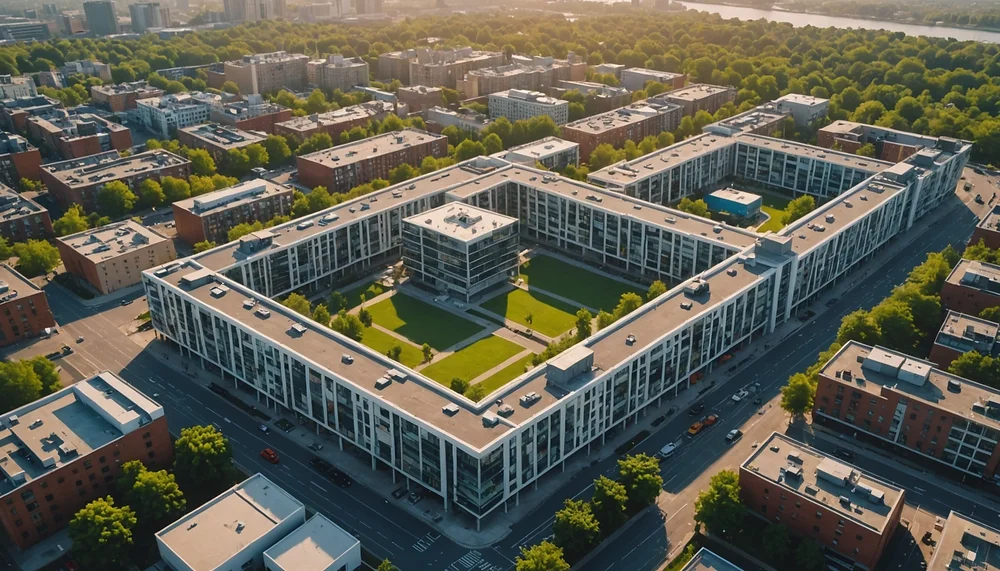
The world of economic development is transforming rapidly, shaped by globalization, technological progress, and changing consumer preferences.
In this evolving environment, businesses and governments often depend on Economic Impact Feasibility Studies (EIFS) to make informed decisions.
These studies play a crucial role in evaluating the potential economic effects of projects or policies on local communities, regions, or the broader market.
This post will dive into the importance of EIFS, their components, methodologies, and the substantial value they provide.
Economic Impact Feasibility Studies are systematic evaluations used to determine the economic viability of a project or policy.
Whether assessing a new development, a public initiative, or a significant investment, an EIFS examines how these actions might reshape the economic landscape.
Key economic indicators, such as job creation, gross domestic product (GDP) impact, tax revenue changes, and regional growth potential, are critical in these studies.
For instance, a study of a new manufacturing plant might reveal projections of 500 new jobs and a 2% increase in local GDP within three years.
With increasing competition and limited resources, understanding the economic ramifications of decisions is essential for stakeholders.
A well-structured EIFS not only reveals potential outcomes but also shapes strategic planning.
Economic Impact Studies Key Components of an Economic Impact Study An Economic Impact Feasibility Study typically includes several critical elements that provide a holistic view of economic implications:
Various methodologies can be employed in Economic Impact Feasibility Studies, tailored to the specific context and available data.
This technique explores relationships between different sectors of the economy. For instance, if a new tech park is developed, input-output analysis can highlight how it will create demand in sectors like housing, retail, and service industries.
Economic multipliers are crucial for estimating how initial spending ripples through the economy.
For example, a study might find that every $2 million spent on construction generates $2.5 million in local economic activity, accounting for direct, indirect, and induced effects.
Learning from similar projects can shine a light on potential outcomes.
For example, if a community observes that a neighboring city gained a 15% increase in tourism after opening a convention center, it may inform their expectations for a new venue.
Gathering qualitative data through surveys and interviews can complement quantitative analysis.
Insights from local business owners about expected increases in customer flow can support the economic projections.
The benefits of Economic Impact Feasibility Studies extend beyond number crunching. They offer a strategic edge for decision-makers.
For investors, businesses, and policymakers, a clear understanding of economic impacts enables better alignment of resources. For example, informed stakeholders might realize that investing in green infrastructure can lead to a 25% reduction in long-term operating costs.
A robust EIFS can draw in investors by showcasing promising returns. When potential backers see empirical data underscoring a project's viability, they are more likely to commit resources.
Studies that reflect community interests and demonstrate potential economic benefits can help secure public backing. For instance, a project that highlights job creation and increased local services is likely to face less opposition.
Recognizing potential risks during the study enables stakeholders to create strategies to address them. A project in a flood-prone area, for example, could implement improved drainage systems, thereby minimizing impediments to progression.
Economic Impact Feasibility Studies are essential tools for understanding the potential effects of projects and policies on local economies.
They not only deliver vital insights into viability but also enhance decision-making for various stakeholders.
As economic conditions evolve, the ability to assess economic impacts effectively will remain crucial.
By utilizing the components, methodologies, and insights of EIFS, organizations can optimize their investments, engage with communities, and support sustainable economic growth.
In an era where economic landscapes constantly change, the insights derived from Economic Impact Feasibility Studies can guide informed and strategic development efforts.

President, Wert-Berater, Inc. — independent feasibility study consultants since 1998. 4,000+ engagements completed across all 50 states and internationally, evaluating $41.2 billion in project value for SBA, USDA, EB-5, conventional, and institutional financing decisions. Fiduciary duty runs to the lender and agency in every engagement.
+1 310-857-2443 ext. 800 · email · 1968 South Coast Hwy, Ste 2382, Laguna Beach, CA 92651 · 111 Town Square Pl Ste 1238 PMB 657834, Jersey City, NJ 07310 · 539 W. Commerce St #8486, Dallas, TX 75208 · 66 W Flagler Street, Suite 900, PMB 12704, Miami, FL 33130
Schedule a ConversationIndependent feasibility studies since 1998 — 4,000+ engagements, $41.2 billion in evaluated project value. Standard delivery in 10 to 15 business days. Fiduciary duty to the lender and agency.
Legal disclosure. Wert-Berater, Inc. offices are mailing addresses only. Following the COVID-19 pandemic the firm has elected to work remotely; its office locations receive mail and are not staffed for visitors or in-person meetings. Headquarters mailing address: 1968 South Coast Hwy, Ste 2382, Laguna Beach, CA 92651.
Wert-Berater, Inc. is an independent provider of feasibility studies and other related services. The firm does not provide financing or equity investment advice, and does not arrange, broker, or place debt or equity capital of any kind.
All appraisal assignments are performed by Bruce E. Jones, MAI, ASA-GC, BCA, CMEA, a member of the Appraisal Institute since 2006, a staff member of Wert-Berater, Inc. and owner of Special Purpose Realty Valuation.