
Feasibility studies are more than just preliminary checks; they are vital tools that can make or break a new construction project.
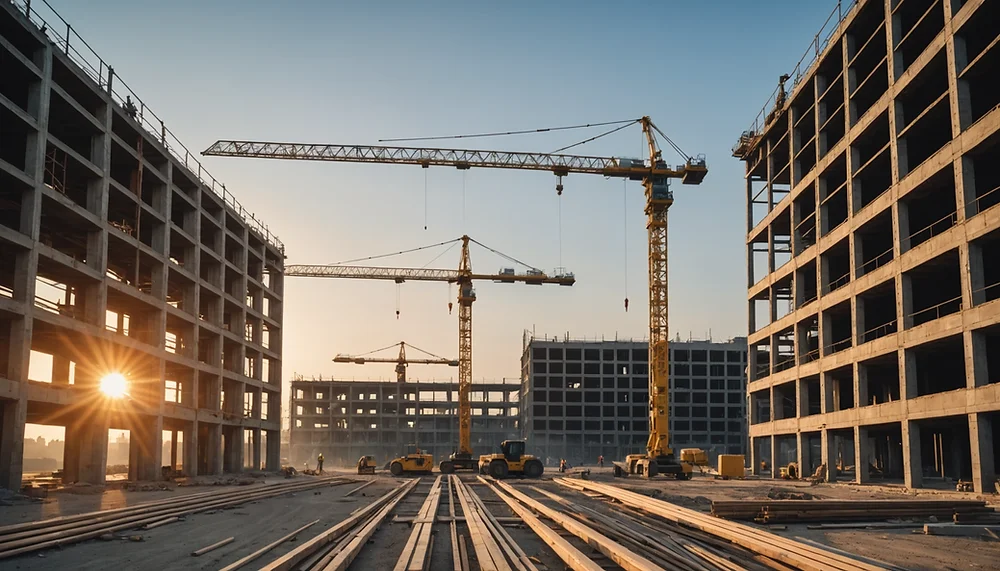
Feasibility studies are more than just preliminary checks; they are vital tools that can make or break a new construction project.
By identifying potential challenges and opportunities early on, investors, developers, and stakeholders can better navigate the complexities of the construction industry.
These feasibility studies provide critical insights that help ensure a project leads to success, satisfaction, and safety.
In this post, we will discuss the importance of feasibility studies in new construction projects, focusing on their influence on financial planning, design aspects, and risk management.
Feasibility studies analyze the practicality and potential success of a proposed construction project.
They cover essential aspects such as location, market demand, financial implications, regulatory requirements, and technical constraints.
With this analysis, stakeholders can make informed decisions on whether or not to move forward with a project.
Typically, feasibility studies are composed of three main components: market analysis, technical analysis, and financial analysis.
Each of these areas plays a crucial role in guiding the project, helping ensure it aligns with the stakeholders' overall goals.
Construction Feasibility Study Market Analysis: Identifying Demand Market analysis stands out as a key part of a feasibility study.
It enables stakeholders to understand the demand for the intended construction project by evaluating current and future trends.
Key factors to consider during market analysis include:
By thoroughly evaluating market demand, stakeholders can make design and functionality choices that resonate with future occupants, maximize occupancy rates, and lead to increased revenue.
The technical analysis of a feasibility study focuses on the physical attributes of the proposed site. Answering critical questions can help avoid obstacles later on:
By understanding these site limitations, developers can create better designs and reduce the risk of unexpected complications during the build.
Financial analysis is at the heart of any construction project. A thorough feasibility study provides essential insights that help stakeholders:
By grasping the financial landscape, stakeholders can allocate resources wisely, ensuring the project remains on solid footing.
Taking a proactive approach with feasibility studies can significantly lower the risks tied to new construction projects.
By identifying potential challenges early and crafting solutions, stakeholders can better manage expectations and outcomes.
Common risks identified in feasibility studies include:
Conducting a comprehensive feasibility study not only uncovers potential challenges but also provides stakeholders with actionable solutions for a smoother project execution.
Feasibility studies significantly enhance the chances of success for new construction projects.
They help stakeholders gauge market demands, assess site limitations, and analyze financial viability, all of which affect the project's outcome.
As construction projects evolve, insights gained from these studies play a crucial role in minimizing risks and ensuring that the results meet the expectations of stakeholders and the needs of the market.
Allocating time and resources to thorough feasibility studies is a wise strategy that builds a strong foundation for projects.
By understanding and implementing the principles discussed in this post, developers and stakeholders can take actionable steps toward informed decision-making and achieve greater project success.

President, Wert-Berater, Inc. — independent feasibility study consultants since 1998. 4,000+ engagements completed across all 50 states and internationally, evaluating $41.2 billion in project value for SBA, USDA, EB-5, conventional, and institutional financing decisions. Fiduciary duty runs to the lender and agency in every engagement.
+1 310-857-2443 ext. 800 · email · 1968 South Coast Hwy, Ste 2382, Laguna Beach, CA 92651 · 111 Town Square Pl Ste 1238 PMB 657834, Jersey City, NJ 07310 · 539 W. Commerce St #8486, Dallas, TX 75208 · 66 W Flagler Street, Suite 900, PMB 12704, Miami, FL 33130
Schedule a ConversationIndependent feasibility studies since 1998 — 4,000+ engagements, $41.2 billion in evaluated project value. Standard delivery in 10 to 15 business days. Fiduciary duty to the lender and agency.
Legal disclosure. Wert-Berater, Inc. offices are mailing addresses only. Following the COVID-19 pandemic the firm has elected to work remotely; its office locations receive mail and are not staffed for visitors or in-person meetings. Headquarters mailing address: 1968 South Coast Hwy, Ste 2382, Laguna Beach, CA 92651.
Wert-Berater, Inc. is an independent provider of feasibility studies and other related services. The firm does not provide financing or equity investment advice, and does not arrange, broker, or place debt or equity capital of any kind.
All appraisal assignments are performed by Bruce E. Jones, MAI, ASA-GC, BCA, CMEA, a member of the Appraisal Institute since 2006, a staff member of Wert-Berater, Inc. and owner of Special Purpose Realty Valuation.