
In today's shifting real estate landscape, multi-family projects are becoming increasingly important. As urban areas expand and more people seek housing, understanding the feasibility of these developments is…
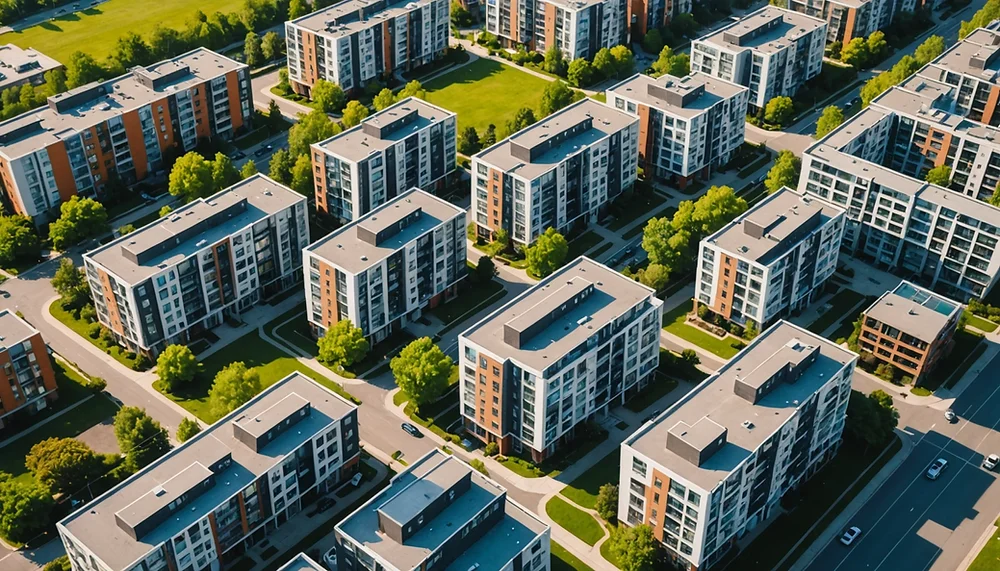
In today's shifting real estate landscape, multi-family projects are becoming increasingly important. As urban areas expand and more people seek housing, understanding the feasibility of these developments is crucial.
This article explores the essential role of Components of a Multi-Family Project Feasibility Study . These studies empower developers, investors, and decision-makers with the insights they need to succeed in a competitive environment.
Multi-family projects encompass a range of residential properties with multiple housing units—anything from cozy duplexes to sprawling apartment complexes.
They are especially attractive because they use land efficiently while catering to various groups, including families, young professionals, and retirees. Where a lender requires an independent determination on a specific project, that work is scoped as a multifamily feasibility study covering qualified renter demand, achievable rents, absorption and debt-service coverage.
The rise in demand for multi-family units is linked to urbanization and changing living preferences.
In fact, a recent report indicated that nearly 36% of households in the U.S. are now rental households, reflecting a shift in attitudes towards owning versus renting.
As urban areas become more crowded, many residents prefer rental options that offer convenience, a sense of community, and shared amenities.
This backdrop makes feasibility studies essential for assessing the potential success of market rent apartment developments.
Multi Family Feasibility Study The Purpose of Market Rent Apartment Feasibility Studies Market rent apartment feasibility studies focus on analyzing the viability of development projects.
They look at a multitude of factors that can impact the profitability of a multi-family housing venture.
The main goal is to provide clarity on local demand, rental pricing, competition, and demographic trends.
With this data, stakeholders can make informed decisions about investment strategies, financing options, and development plans.
For a market-screening step ahead of the full study, multifamily market reports by county, state or submarket document community inventory, asking and effective rents, concessions, occupancy, absorption, lease-up performance and the construction pipeline.
A well-rounded feasibility study typically includes several important components:
An in-depth market analysis is critical to understanding demand for multi-family housing in a specific region. Here are some key elements:
This analysis establishes a foundation for predicting demand and setting rental prices.
Financial projections are essential for estimating project costs, ongoing expenses, and potential rental income. Key components include:
These projections are crucial in assessing both financial feasibility and expected returns on investment.
Evaluating existing and upcoming multi-family developments provides insight into the competitive environment. Some factors to assess are:
This competitive analysis informs effective marketing efforts and operational tactics.
Success in multi-family housing is heavily influenced by timing and location. Developers should keep these factors in mind:
Location is a key determinant of a project's success. Access to public transport, quality schools, and appealing neighborhood features significantly shape demand:
A comprehensive feasibility study helps pinpoint potential risks and challenges for multi-family projects, such as:
Integrating risk management strategies into the feasibility study increases the project's resilience and ensures better decision-making.
Multi-family housing is critical in urban development. Conducting market rent apartment feasibility studies is a vital step toward successful projects.
These studies offer insights that help stakeholders navigate complexities of the real estate landscape.
By incorporating detailed market analysis, financial projections, and competitive overviews, developers can confidently pursue opportunities that align with market needs.
This data-driven approach ensures that multi-family projects succeed in meeting community demands while achieving financial goals.

President, Wert-Berater, Inc. — independent feasibility study consultants since 1998. 4,000+ engagements completed across all 50 states and internationally, evaluating $41.2 billion in project value for SBA, USDA, EB-5, conventional, and institutional financing decisions. Fiduciary duty runs to the lender and agency in every engagement.
+1 310-857-2443 ext. 800 · email · 1968 South Coast Hwy, Ste 2382, Laguna Beach, CA 92651 · 111 Town Square Pl Ste 1238 PMB 657834, Jersey City, NJ 07310 · 539 W. Commerce St #8486, Dallas, TX 75208 · 66 W Flagler Street, Suite 900, PMB 12704, Miami, FL 33130
Schedule a ConversationIndependent feasibility studies since 1998 — 4,000+ engagements, $41.2 billion in evaluated project value. Standard delivery in 10 to 15 business days. Fiduciary duty to the lender and agency.
Legal disclosure. Wert-Berater, Inc. offices are mailing addresses only. Following the COVID-19 pandemic the firm has elected to work remotely; its office locations receive mail and are not staffed for visitors or in-person meetings. Headquarters mailing address: 1968 South Coast Hwy, Ste 2382, Laguna Beach, CA 92651.
Wert-Berater, Inc. is an independent provider of feasibility studies and other related services. The firm does not provide financing or equity investment advice, and does not arrange, broker, or place debt or equity capital of any kind.
All appraisal assignments are performed by Bruce E. Jones, MAI, ASA-GC, BCA, CMEA, a member of the Appraisal Institute since 2006, a staff member of Wert-Berater, Inc. and owner of Special Purpose Realty Valuation.