
There are several parts to an SBA (Small Business Administration) and USDA (United States Department of Agriculture) Compliant Feasibility Study:
Preparing an agency-backed deal? See our SBA and USDA feasibility study consultants services — independent, program-compliant, fixed-fee.

There are several parts to an SBA (Small Business Administration) and USDA (United States Department of Agriculture) Compliant Feasibility Study:
Executive Summary: An overview of the business concept, objectives, and key findings of the feasibility study.
Economic Feasibility: Analysis of the economic environment, including industry trends, economic indicators, and the potential impact on the business.
Market Feasibility: Detailed market analysis covering target demographics, market demand, competition, and potential market share. This section demonstrates the business's ability to capture and sustain a customer base.
Technical Feasibility: Evaluation of the technical requirements of the project, including necessary equipment, technology, and operational processes. It assesses whether the business has or can acquire the technical resources needed.
Management Feasibility: Assessment of the management team's qualifications, experience, and ability to execute the business plan effectively. This includes evaluating the adequacy and continuity of management.
Financial Feasibility: Comprehensive financial analysis, including:
Pro Forma Financial Statements: Projected income statements, balance sheets, and cash flow statements over a specified period (often 10 years).
In this post our focus is the Financial Feasibility part of the feasibility study. A comprehensive feasibility study is pivotal in assessing the viability of a proposed business project. It encompasses detailed financial analyses, including:
Feasibility Study Consultant In contrast, a cheap and fast incomplete feasibility study often lacks depth, potentially omitting critical analyses such as DCF, comprehensive ratio assessments, or detailed financial performance overviews. This superficial approach can lead to an inadequate understanding of the project's viability and associated risks.
Loan underwriters play a crucial role in evaluating the risk associated with lending and rely heavily on detailed feasibility studies to make informed decisions. A comprehensive study provides them with:
Conversely, an incomplete feasibility study may raise red flags due to:
Therefore, underwriters are more likely to favor projects backed by comprehensive feasibility studies, as they provide a solid foundation for evaluating financial viability and risk, facilitating informed lending decisions.
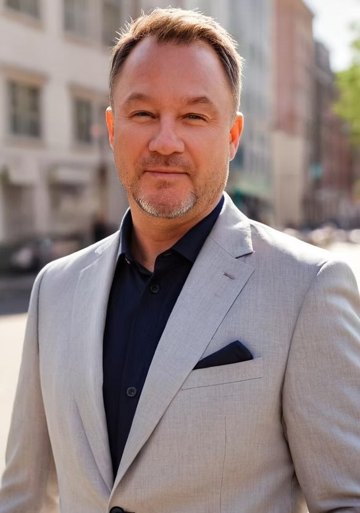
President, Wert-Berater, Inc. — independent feasibility study consultants since 1998. 4,000+ engagements completed across all 50 states and internationally, evaluating $41.2 billion in project value for SBA, USDA, EB-5, conventional, and institutional financing decisions. Fiduciary duty runs to the lender and agency in every engagement.
+1 310-857-2443 ext. 800 · email · 1968 South Coast Hwy, Ste 2382, Laguna Beach, CA 92651 · 111 Town Square Pl Ste 1238 PMB 657834, Jersey City, NJ 07310 · 539 W. Commerce St #8486, Dallas, TX 75208 · 66 W Flagler Street, Suite 900, PMB 12704, Miami, FL 33130
Schedule a ConversationIndependent feasibility studies since 1998 — 4,000+ engagements, $41.2 billion in evaluated project value. Standard delivery in 10 to 15 business days. Fiduciary duty to the lender and agency.
Legal disclosure. Wert-Berater, Inc. offices are mailing addresses only. Following the COVID-19 pandemic the firm has elected to work remotely; its office locations receive mail and are not staffed for visitors or in-person meetings. Headquarters mailing address: 1968 South Coast Hwy, Ste 2382, Laguna Beach, CA 92651.
Wert-Berater, Inc. is an independent provider of feasibility studies and other related services. The firm does not provide financing or equity investment advice, and does not arrange, broker, or place debt or equity capital of any kind.
All appraisal assignments are performed by Bruce E. Jones, MAI, ASA-GC, BCA, CMEA, a member of the Appraisal Institute since 2006, a staff member of Wert-Berater, Inc. and owner of Special Purpose Realty Valuation.