
Are you thinking about starting a new business and need financing?
Preparing an agency-backed deal? See our SBA and USDA feasibility study consultants services — independent, program-compliant, fixed-fee.

Are you thinking about starting a new business and need financing?
Understanding feasibility studies is crucial if you're looking to secure funding through the Small Business Administration (SBA) or the United States Department of Agriculture (USDA).
These studies assess whether your business idea is viable, helping you attract potential investors and lenders. By grasping what elements make up a solid feasibility study, you can significantly increase your chances of getting the funding you need.
Feasibility studies serve a clear purpose: to evaluate if a project is attainable and worthwhile. They examine market conditions, financial estimates, and the operational framework necessary for success. For organizations like the SBA and USDA, these studies ensure that taxpayer money is earmarked for promising initiatives, enhancing the likelihood of sustainable growth.
These studies rely on concrete data for decision-making. They help pinpoint potential challenges and risks, enabling strategic planning and efficient use of resources.
Sample SBA Compliant Financial Feasibility Analysis - Wert-Berater Feasibility Studies, LL . Download • 711KB 3. Technical Feasibility Assessing technical requirements is another key factor in a feasibility study. This includes identifying the equipment, technology, and labor necessary for startup and day-to-day operations.
For example, a tech startup may need specific software and hardware to launch its product. By comparing existing resources to what is required, you can highlight any gaps that need addressing. Providing solutions for these gaps will strengthen your feasibility study, making it more attractive to lenders.
The management structure should be clearly outlined to demonstrate leadership capability. A well-defined list of roles, responsibilities, and relevant experience is vital for showcasing competence and accountability.
Consider including brief bios of key team members. If one person has managed successful projects with a 95% completion rate, sharing this information can give lenders confidence in your leadership team’s capability to drive the business to success.
Every project has risks and challenges. Identifying these in your feasibility study not only adds credibility but also shows preparedness. Be upfront about possible hurdles such as economic downturns or shifts in consumer demand.
For example, if your feasibility study reveals that 40% of new businesses in your sector fail in their first year, discussing strategies for overcoming this risk—like securing diverse revenue streams—can instill confidence in potential lenders. Addressing these risks proactively demonstrates responsible planning.
An exhaustive overview of funding requirements is essential. Clearly state how much funding you need, how it will be used, and what return on investment (ROI) you expect.
For instance, detailing the need for $5,000,000 in initial funding for equipment, marketing, and overhead can clarify your intentions. Break down the costs and be specific about whether you will pursue SBA loans, USDA grants, or other funding sources.
When seeking financing from the SBA or USDA, adhering to their specific guidelines is crucial. Understanding their regulations ensures that your feasibility study meets necessary standards and improves your chances of approval.
Each agency may have distinct requirements related to market analysis and financial projections, so consulting their resources is advisable. For example, the SBA requires a detailed business plan alongside the feasibility study.
Conducting a thorough feasibility study is vital for businesses pursuing funding from the SBA or USDA. By focusing on market analysis, solid financial projections, understanding technical needs, detailing management structures, identifying risks, and clarifying funding requirements, you can create a compelling case for lenders.
These elements, combined with a commitment to comply with guidelines, can dramatically enhance your prospects of securing the financing necessary for your business growth and success. A well-prepared feasibility study showcases your readiness and boosts lenders' confidence in your proposed project.
As you plan your new venture or expansion, remember the value of feasibility studies. They provide essential insights, build credibility, and serve as a strong foundation for your business future.
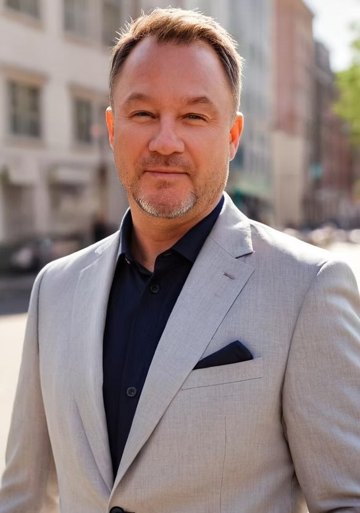
President, Wert-Berater, Inc. — independent feasibility study consultants since 1998. 4,000+ engagements completed across all 50 states and internationally, evaluating $41.2 billion in project value for SBA, USDA, EB-5, conventional, and institutional financing decisions. Fiduciary duty runs to the lender and agency in every engagement.
+1 310-857-2443 ext. 800 · email · 1968 South Coast Hwy, Ste 2382, Laguna Beach, CA 92651 · 111 Town Square Pl Ste 1238 PMB 657834, Jersey City, NJ 07310 · 539 W. Commerce St #8486, Dallas, TX 75208 · 66 W Flagler Street, Suite 900, PMB 12704, Miami, FL 33130
Schedule a ConversationIndependent feasibility studies since 1998 — 4,000+ engagements, $41.2 billion in evaluated project value. Standard delivery in 10 to 15 business days. Fiduciary duty to the lender and agency.
Legal disclosure. Wert-Berater, Inc. offices are mailing addresses only. Following the COVID-19 pandemic the firm has elected to work remotely; its office locations receive mail and are not staffed for visitors or in-person meetings. Headquarters mailing address: 1968 South Coast Hwy, Ste 2382, Laguna Beach, CA 92651.
Wert-Berater, Inc. is an independent provider of feasibility studies and other related services. The firm does not provide financing or equity investment advice, and does not arrange, broker, or place debt or equity capital of any kind.
All appraisal assignments are performed by Bruce E. Jones, MAI, ASA-GC, BCA, CMEA, a member of the Appraisal Institute since 2006, a staff member of Wert-Berater, Inc. and owner of Special Purpose Realty Valuation.