
Wert-Berater prepared an independent SBA 504 feasibility study for a proposed 44-room ground-up select-service hotel with café and event room in downtown Seward, Alaska. The study evaluated economic, market, technical, financial, and management feasibility against SBA SOP 50 10 8 standards, replacing the sponsor's unsupported assumptions with analyst-developed figures throughout. The determination is Feasible Subject to Stated Conditions, contingent on verification of total project cost, program-minimum equity injection, a funded two-year debt-service reserve, and nine additional documented conditions precedent.
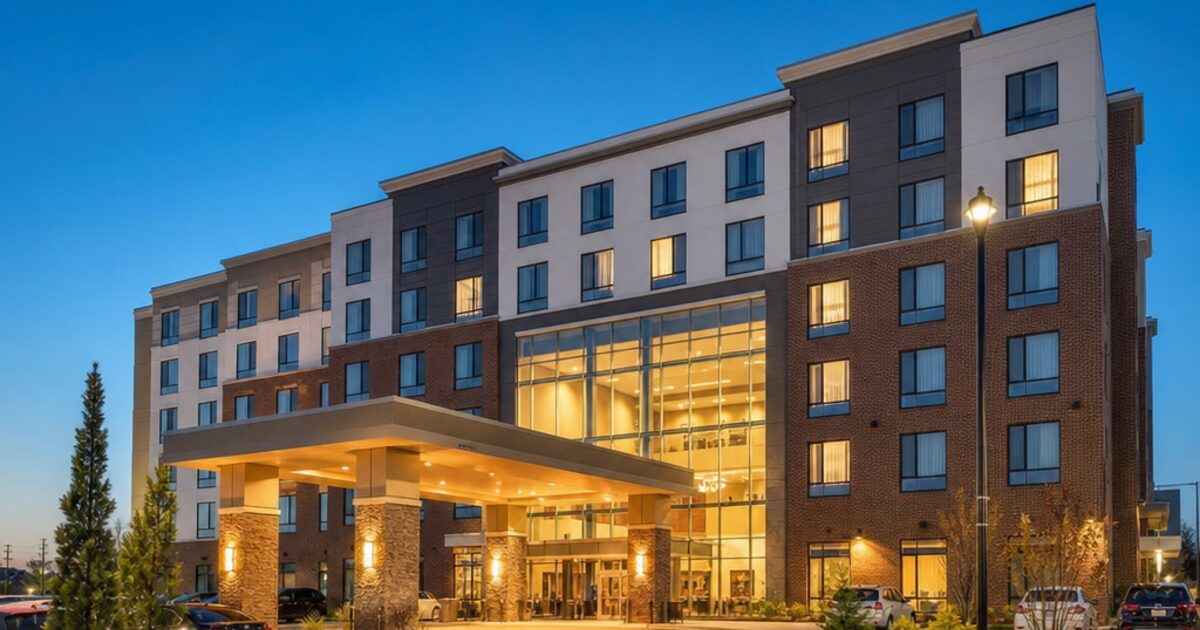
Wert-Berater, Inc. was retained to deliver an independent, third-party feasibility study for a proposed ground-up, 44-room select-service hotel with a street-level café, a dedicated event room, guest and hotel laundries, and associated back-of-house support in the downtown core of Seward, Alaska. The engagement was structured as a fixed-fee, independent assignment with fiduciary duty running to the prospective SBA lender and Certified Development Company, not to the borrower or any financing outcome. The proposed financing structure is an SBA 504 combination of a third-party first-lien loan and a CDC debenture, with the borrower's stated all-in project cost presented at approximately $9.6 million.
The analytical framework follows the firm's canonical five-section structure—Economic, Market, Technical, Financial, and Management Feasibility—each closing with a structured conclusion measuring findings against SBA SOP 50 10 8 and rendering a determination of Favorable, Favorable With Conditions, or Unfavorable with explicit reasoning in dollars and percentages. Every financial figure in the report traces parenthetically to a companion Excel workbook, and the cross-reference audit—coverage within 0.01x, income within one dollar—is part of the firm's delivery standard. The analysis basis was fixed by analyst determination to the 44-room architectural program documented in the preliminary plan set, the only program evidenced by drawings and the configuration against which the recorded Conditional Use Permit was tested. The borrower's 51-key financial model and a 45-room figure in the engagement letter were treated as reconciliation items only.
Seward occupies a structurally privileged position in Alaska's visitor economy as one of the state's two cross-gulf cruise turnaround ports, the seaward terminus of a major state-operated passenger rail corridor, and the sole road gateway to Kenai Fjords National Park. The city's resident population of approximately 2,794 cannot itself support the project; the analysis therefore defines the asset as an imported-demand property and assigns the resident population no revenue weight in any forecast line. Demand rests on cruise passengers, rail passengers, independent highway visitors, and community and government event business. The municipal lodging tax series—verified quarterly records from the city's top-five lodging reporters—documented approximately $18.65 million in annual lodging receipts for calendar year 2024, growing at roughly 5 to 10 percent annually and accelerating through the first three quarters of 2025.
The study's most important market finding is structural seasonality: approximately 86 percent of market lodging revenue concentrates in two summer quarters, with only about one-seventh collected across six winter months. The borrower's presented January-through-March occupancy assumption of 65 percent failed testing against this tax record and was replaced by an analyst-developed winter floor of 26 to 34 percent—reducing modeled winter room revenue by roughly 40 percent. The cruise segment was underwritten at a contractual 140,000-passenger annual floor guaranteed by major cruise brands under a recorded terminal agreement, with volumes above that floor treated as upside only. Kenai Fjords National Park drew approximately 425,000 visitors in the same year that commercial cruise volume fell approximately 36 percent, demonstrating an independent park-and-highway visitor base with its own momentum. The competitive set of roughly 335 to 385 year-round rooms is led by established harbor-adjacent and corridor properties; the subject would open as the only modern, purpose-built, year-round hotel in the downtown core, the market's newest physical plant, at a location none of the incumbent set occupies.
The stabilized third-year forecast of 56.3 percent occupancy at a blended average daily rate of approximately $309 produces rooms revenue of approximately $2.8 million, supplemented by café, event, and ancillary income for total stabilized revenue of approximately $3.0 million and net operating income of approximately $927,000—a 30.5 percent margin after a 3 percent imputed management fee and a 4 percent replacement reserve. The borrower's proposed $550 peak rate was replaced by a $445 analyst peak, at parity with the market leader's standard product, with $550 carried as upside applicable only if a permitted premium-room tier emerges. Valet parking and a third-party restaurant lease were carried at zero pending a documented parking solution and an executed lease, respectively.
Because no accepted pricing document fixed total project cost, the financial analysis was carried on a dual basis throughout. The borrower's stated all-in cost of approximately $9.6 million—which omits furniture, fixtures and equipment, soft costs, contingency, construction-period interest, and working capital—was carried as the presentation basis. The analyst's completeness rebuild bracketed true cost at approximately $12.85 million to $15.4 million, with a midpoint planning basis of approximately $14.1 million. At the borrower's cost basis, the documented program covers debt service at approximately 1.25x at stabilization on analyst revenue; at the analyst midpoint, no tested structure achieves the SBA 1.15x standard at stabilization, and feasibility at that cost level is restored only by equity of approximately $4.85 million. A 10,000-trial Monte Carlo simulation produced a median stabilized coverage of approximately 1.23x but showed roughly one trial in four failing to cover debt service at all, and only about 60 percent of trials clearing the 1.15x standard—underscoring the thinness of the base-case margin. A funded 12-month debt-service reserve committed to a two-year coverage-sustainment schedule, plus seasonal working capital of approximately $350,000 to $500,000, are conditions of any favorable determination.
The study-level determination is Feasible Subject to Stated Conditions. The five section scores—Economic Feasibility 4.2, Market 4.0, Technical 3.4, Financial 2.9, and Management 3.2—produce a weighted composite of 3.49. Ten conditions precedent govern the determination: (1) an accepted pricing document tested line-by-line against the analyst's benchmark rebuild, with a complete budget including not less than 10 percent contingency and a guaranteed-maximum-price or equivalently protective contract form; (2) sources-and-uses restated at verified cost with equity documented at the 15-to-20 percent SOP minimum; (3) funded reserves at closing, including the debt-service reserve committed to the two-year sustainment schedule; (4) final locked lender and CDC terms with the debenture confirmed within the program cap; (5) a city-accepted complete parking solution for the seven-space deficit identified in the preliminary site plan; (6) a building permit issued within the conditional-use-permit window on a set reconciling program, room mix, and code summary; (7) organizational documents, guarantor schedule, and personal financial statements supporting the global coverage test; (8) a named, experienced hotel general manager or executed management agreement with a dated pre-opening plan, monthly staffing schedule with a documented employee-housing solution, and a written affiliate demand-and-rate coordination policy; (9) opening at the front of a summer season with lender construction controls in place; and (10) a change-control requirement that any deviation from the documented 44-room program triggers revised permitted plans, recalculated parking, conditional-use-permit confirmation, and redetermination of the study. The determination is not contingent on any financing outcome; compensation is a fixed fee; and the determination will be revised in either direction as the conditioned evidence arrives.
It is the middle term of a three-determination taxonomy—between Feasible and Not Presently Feasible. It means the market and demand evidence support the projected revenue, but one or more material documentary, financial, or operational conditions must be satisfied before the debt can prudently be underwritten. In a hotel study, typical conditions include a verified total project cost, program-minimum equity injection, funded debt-service reserves, and a named management team.
When no accepted pricing document—a hard bid, a guaranteed-maximum-price contract, or an independently verified cost estimate—exists at study completion, the analyst carries both the borrower's stated figure and an independently rebuilt planning basis in parallel. Coverage, capitalization, and reserve calculations are rendered at each basis so the lender can see precisely how the determination converts when a verified cost arrives, rather than having the study presume the favorable number.
A hotel that earns the majority of its annual revenue in a compressed summer season generates insufficient cash flow during the winter months to service debt at the same level as a year-round property. Lender-grade underwriting quantifies the monthly trough, sizes a funded debt-service reserve to sustain the coverage standard through the ramp years, conditions seasonal working capital, and recommends covenant testing at trough months rather than fiscal year-ends—so the credit structure matches the calendar of the asset.
For a new business constructing a special-purpose property, SBA SOP 50 10 8 generally expects an equity injection of 15 to 20 percent of total verified project cost. The injection must be documented with closing statements, invoices, and proof of payment; capital reported by the sponsor but not yet verified against source documents does not satisfy this requirement at closing. Required funded reserves—such as a debt-service reserve account—further increase the cash-to-close above the injection minimum when the financing program prohibits funding reserves from loan proceeds.
Replacing sponsor-supplied assumptions with analyst-developed figures is standard practice in a Wert-Berater engagement. See the firm’s hotel feasibility study consultant service for how competitive-set demand, ADR and coverage testing are built.
President, Wert-Berater, Inc. — independent feasibility study consultants since 1998. 3,969 feasibility studies completed across all 50 states and internationally, evaluating $41.2 billion in project value for SBA, USDA, EB-5, conventional, and institutional financing decisions. Fiduciary duty runs to the lender and agency in every engagement.
+1 310-857-2443 ext. 800 · email · 1968 South Coast Hwy, Ste 2382, Laguna Beach, CA 92651 · 111 Town Square Pl Ste 1238 PMB 657834, Jersey City, NJ 07310 · 539 W. Commerce St #8486, Dallas, TX 75208 · 66 W Flagler Street, Suite 900, PMB 12704, Miami, FL 33130
Schedule a ConversationIndependent feasibility studies since 1998 — 4,000+ engagements, $41.2 billion in evaluated project value. Standard delivery in 10 to 15 business days. Fiduciary duty to the lender and agency.
Legal disclosure. Wert-Berater, Inc. offices are mailing addresses only. Following the COVID-19 pandemic the firm has elected to work remotely; its office locations receive mail and are not staffed for visitors or in-person meetings. Headquarters mailing address: 1968 South Coast Hwy, Ste 2382, Laguna Beach, CA 92651.
Wert-Berater, Inc. is an independent provider of feasibility studies and other related services. The firm does not provide financing or equity investment advice, and does not arrange, broker, or place debt or equity capital of any kind.
All appraisal assignments are performed by Bruce E. Jones, MAI, ASA-GC, BCA, CMEA, a member of the Appraisal Institute since 2006, a staff member of Wert-Berater, Inc. and owner of Special Purpose Realty Valuation.