

Obtaining an SBA loan is an important step in financing a business acquisition, startup, commercial real estate development, business expansion, hotel, restaurant, manufacturing operation, medical facility, or other business investment.
However, before a lender can confidently approve financing, it must understand more than the borrower's creditworthiness and the proposed loan amount. It must determine whether the proposed business or investment makes economic sense, whether sufficient market demand exists, whether projected revenues are realistic, and whether the business can generate enough cash flow to repay its debt.
This is where an independent SBA feasibility study can become an important part of the underwriting process, and where an experienced SBA feasibility study consultant can help.
A properly prepared SBA feasibility study evaluates the economic, market, operational, and financial viability of a proposed project. It provides the lender, participating bank, Certified Development Company (CDC), and applicable SBA reviewers with an independent assessment of the assumptions supporting the financing request.
Wert-Berater, Inc. provides independent feasibility studies, market analysis, financial modeling, and underwriting support for SBA lenders, CDCs, borrowers, investors, and businesses nationwide. Established in 1998, Wert-Berater prepares analytical reports intended to support institutional financing decisions.
This guide explains how to order an SBA feasibility study, which documents are needed, how the process works, and what the completed report tells your lender.
Video: What Your SBA Lender Needs to Know: The SBA Feasibility Study
Firm-wide engagement figures are distinct from project-specific findings and their stated source periods.
Narrated explainer, approx. 2 minutes 3 seconds. Captions are available from the player controls; sound plays only when you press play. Charts in the video use illustrative, hypothetical figures.
Full video transcript
Title. What Your SBA Lender Needs to Know: The SBA Feasibility Study.
Opening. Planning to finance a business acquisition, startup, expansion, hotel, restaurant, or commercial development with an SBA loan? Before approving financing, your lender needs to understand more than your business plan. It needs to know whether the project makes economic sense and whether the business can generate sufficient cash flow to repay the loan.
The study. An independent SBA feasibility study connects market research, operating assumptions, project costs, and financial projections into one comprehensive analysis. It helps the lender evaluate demand, competition, revenue potential, management capabilities, development costs, and financial risk.
Documents. To begin, gather your project description, site information, construction budget, business financial statements, tax returns, management resumes, revenue assumptions, operating expenses, and proposed financing structure. For acquisitions, include the purchase agreement and historical business financials. For construction projects, provide plans, contractor estimates, and development schedules.
What the lender receives. The completed study evaluates market demand, competitive supply, realistic revenue potential, operating expenses, and the ability to service the proposed debt. Financial analysis can include a ten-year projection, debt-service coverage, break-even analysis, and downside sensitivity testing. The report also identifies material risks and explains the assumptions behind its conclusions.
SBA programs. Whether you are considering SBA 7(a) or SBA 504 financing, your lender should confirm the applicable SBA requirements and the scope of independent analysis needed for the transaction. A feasibility study does not guarantee loan approval. It gives the lender additional independent evidence to evaluate the proposed investment.
Contact. Since 1998, Wert-Berater has provided independent feasibility, market research, financial modeling, and underwriting support for lenders, CDCs, investors, and businesses nationwide. If your lender needs an SBA feasibility study, contact Wert-Berater. Visit wert-berater.com and learn how to order your study. Wert-Berater. Independent analysis for better capital decisions.

1. Documents required to complete an SBA feasibility study
One of the most important factors affecting the time required to complete an SBA feasibility study is the quality and completeness of the information provided.
The following checklist identifies the typical documentation required. The exact list depends on whether the project involves a startup, acquisition, expansion, construction, or existing operating business.
A. Basic project information
- Borrower or legal business name.
- Ownership structure.
- Business address or proposed site address.
- Project description.
- Type of business and industry.
- SBA loan program: 7(a) or 504.
- Requested loan amount.
- Total estimated project cost.
- Proposed equity contribution.
- Anticipated opening or completion date.
- Name and contact information of the lender.
- Name of the CDC, if applicable.
- Proposed project timetable.
B. Business financial documents
For an existing business, provide:
- Historical income statements, preferably three years.
- Historical balance sheets.
- Business federal tax returns, preferably three years.
- Year-to-date profit and loss statement.
- Current balance sheet.
- Monthly revenue history, when available.
- Accounts receivable aging.
- Accounts payable aging.
- Existing debt schedule.
- Business bank statements, when requested.
- Current operating budget.
- Existing business financial projections.
For a startup, provide available pre-opening budgets, proposed operating budgets, revenue assumptions, and startup cost estimates.
C. Borrower and management information
- Business owner resumes.
- Management resumes.
- Relevant industry experience.
- Organizational chart.
- Ownership percentages.
- Description of management responsibilities.
- Business operating plan.
- Proposed staffing requirements.
- Management succession or transition plan, when applicable.
The purpose is to determine whether the proposed management team has the experience and resources to operate the business successfully.
D. Construction and development documents
For new construction, renovation, or major expansion:
- Site address and property description.
- Purchase contract or letter of intent, if applicable.
- Site plan.
- Architectural drawings, if available.
- Building plans and specifications.
- Construction budget.
- Contractor proposal.
- General contractor information.
- Development timetable.
- Construction schedule.
- Permitting status.
- Zoning information.
- Environmental reports, if available.
- Engineering reports, if available.
- Equipment and furniture budgets.
- Contingency allowances.
- Sources and uses of project funds.
For an SBA 504 project, the lender and CDC should also identify any additional fixed-asset and project-cost documentation needed for their review.
E. Market and operating information
Provide whatever information is available concerning:
- Products and services.
- Proposed pricing.
- Expected customer base.
- Service area.
- Competitors.
- Expected customer volume.
- Historical sales, if applicable.
- Contracts or letters of intent.
- Existing customer relationships.
- Supplier agreements.
- Industry-specific operating data.
- Marketing and sales strategy.
The consultant independently researches the market and does not simply accept management's estimates as proof of demand.
F. Financial projections and assumptions
If available, provide:
- Five- or ten-year revenue projections.
- Expected gross profit margins.
- Staffing and payroll assumptions.
- Rent or property expenses.
- Insurance costs.
- Utilities.
- Maintenance and repairs.
- Marketing expenses.
- Administrative expenses.
- Inventory costs.
- Equipment expenses.
- Working capital requirements.
- Proposed loan interest rate.
- Loan term and amortization.
- Proposed equity contribution.
- Other existing business debt.
If projections have not been prepared, Wert-Berater can discuss developing the financial model as part of the engagement.
G. Business acquisition documents
For an acquisition, provide:
- Purchase agreement or letter of intent.
- Historical financial statements.
- Business tax returns.
- Seller's discretionary earnings calculations, if available.
- Equipment and asset inventory.
- Real estate information, if included.
- Proposed purchase price allocation.
- Seller financing terms.
- Existing debt information.
- Customer concentration information.
- Employee and payroll information.
- Historical sales records.
- Transition and management plan.
An acquisition feasibility analysis should determine whether the purchase price, expected operating performance, management transition, and proposed debt structure are financially supportable.
H. Additional project-specific information
Some businesses require specialized documentation.
Examples include:
- Hotels: room inventory, occupancy, ADR, RevPAR, management agreements, and historical operating statements.
- Restaurants: seating capacity, menu pricing, food costs, labor costs, and expected customer volume.
- Gas stations and travel centers: fuel volume, gallons sold, margins, inside sales, traffic counts, and competitor locations.
- Medical facilities: equipment inventory, reimbursement assumptions, referral sources, physician utilization, and payer mix.
- Manufacturing: production capacity, machinery, raw materials, labor, supply contracts, and expected output.
- Senior care: licensed capacity, resident mix, staffing requirements, reimbursement rates, and operating expenses.
The more complete the information, the more efficiently the study can be completed.
2. When does an SBA lender need a feasibility study?
Not every SBA loan automatically requires a separate third-party feasibility study. Whether one is needed depends on the applicable SBA Standard Operating Procedure (SOP), the transaction, the nature and complexity of the project, and the lender's underwriting requirements.
A lender may request independent feasibility analysis when evaluating:
- A new business or startup.
- A business acquisition or change of ownership.
- Construction of a new business facility.
- Expansion of an existing business.
- Acquisition or development of a hotel.
- Restaurants, convenience stores, and travel centers.
- Medical and healthcare facilities.
- Manufacturing and industrial facilities.
- Specialized commercial real estate.
- Businesses entering a new geographic market.
- Projects with significant development or operating risks.
- Transactions where projected revenues require additional independent validation.
A feasibility study is particularly valuable when the lender needs to determine whether the proposed business can generate sufficient operating income to support the requested financing.
SBA 7(a) and SBA 504 financing
SBA 7(a) loans: The SBA 7(a) program can finance business acquisitions, working capital, equipment, real estate, construction, and other eligible business purposes.
For these transactions, feasibility analysis can help the lender understand the economic viability of the business, the reasonableness of the projections, management capabilities, acquisition assumptions, and the proposed debt repayment capacity.
SBA 504 loans: The SBA 504 program primarily supports eligible fixed-asset financing, including land, buildings, construction, renovation, and equipment.
For these projects, feasibility analysis can examine the proposed development, property utilization, market demand, construction budget, operating assumptions, occupancy or sales projections, and the ability of the operating business to support the financing structure.
The lender and CDC should identify the applicable study requirements and intended reliance parties before the engagement begins.
Current SBA underwriting guidance
As of November 2026, SBA SOP 50 10 Version 8.1, including its technical updates, is effective October 1, 2026. See our SOP 50 10 8.1 policy guide.
Wert-Berater recommends that the lender identify the applicable SOP version and any transaction-specific requirements before ordering the report. The study scope should be tailored to the actual loan program and lender's review requirements rather than relying on a generic feasibility report.
Official SBA reference: https://www.sba.gov/sba-lenders/
SBA SOP 50 10: https://www.sba.gov/document/sop-50-10-lender-development-company-loan-programs
3. How to order an SBA feasibility study
Ordering an SBA feasibility study should be straightforward, but it is important to establish the lender's requirements before research and financial modeling begin.
Step 1: Speak with your SBA lender
Before engaging a consultant, ask your loan officer or underwriter:
- Does the lender require an independent third-party feasibility study?
- Is the study required by the lender, CDC, or another reviewing party?
- Is there a particular scope or format the lender requires?
- Does the lender need to be identified as a reliance party?
- Are there specific financial ratios or debt-service coverage requirements?
- What financial projections and supporting documents must be included?
- When does the lender need the completed report?
This step is important because SBA 7(a), SBA 504, and individual lender underwriting requirements are not necessarily identical.
Important: Borrowers may contact Wert-Berater directly to discuss a project. For lender-commissioned assignments, the lender or CDC should establish the engagement and reliance requirements. Borrower-initiated inquiries are welcome, subject to lender confirmation before the work begins.
Step 2: Contact Wert-Berater
Visit: https://www.wert-berater.com/
For SBA feasibility studies, visit the dedicated service information and lender pages:
https://www.wert-berater.com/feasibility/
https://www.wert-berater.com/lenders/
You can discuss the proposed project, financing program, location, project cost, requested loan amount, and the lender's analytical requirements.
Wert-Berater will review the project scope and determine the appropriate research and financial analysis required.
Step 3: Establish the study scope and fixed fee
Before work begins, the engagement should identify:
- The project and borrower.
- The applicable SBA financing program.
- The project location.
- The intended lender and other reliance parties.
- The scope of market research.
- The financial modeling requirements.
- The documents required.
- The report format.
- The expected delivery schedule.
- The fixed engagement fee.
Wert-Berater establishes fees in writing before work begins. Fees are not contingent on whether the project receives a favorable feasibility conclusion.
Step 4: Submit the project documents
Once the engagement is established, the borrower and lender provide the documents needed for the analysis.
Documents may be submitted through the appropriate secure project channel.
It is not necessary to have every document at the initial inquiry. However, missing information may delay completion or require additional assumptions and qualifications.
Step 5: Independent market and financial analysis
Wert-Berater conducts the research and financial analysis.
The work may include:
- Market and trade-area analysis.
- Industry research.
- Demand and unmet-demand analysis.
- Competitive supply analysis.
- Demographic and economic analysis.
- Site and location analysis.
- Revenue projections.
- Operating expense analysis.
- Development and construction cost review.
- Financial modeling.
- Debt-service coverage analysis.
- Sensitivity and downside analysis.
- Identification of material risks.
Step 6: Delivery of the completed report
The completed feasibility study is provided in the agreed format.
The report is designed to help the lender understand the economic merits, financial performance assumptions, debt repayment capacity, and material risks of the proposed investment.
Wert-Berater can also address appropriate lender questions about the report and its methodology.
4. What does the SBA feasibility study tell the lender?
This is the most important part of the report.
A feasibility study is not simply a business description or a collection of market statistics. It should connect the market evidence, operating plan, project cost, and financial projections to the lender's central question:
Can this project reasonably generate sufficient cash flow to support the proposed financing, and what risks could prevent it from doing so?
A properly scoped study provides the lender with several important findings.
1. Is there sufficient market demand?
The study identifies the proposed market area and examines the economic factors that generate demand for the business.
Depending on the project, this may include:
- Population and population growth.
- Household income.
- Employment.
- Business and employment growth.
- Industry trends.
- Customer demographics.
- Traffic counts.
- Tourism and visitor demand.
- Healthcare demand.
- Local and regional economic activity.
The analysis should distinguish between the existence of a market and the actual demand available to a new business.
2. Is the market already saturated?
A lender needs to understand the competitive environment.
The study evaluates:
- Existing competitors.
- Competitor locations.
- Existing capacity.
- Pricing.
- Market share.
- New competitors entering the market.
- Planned developments.
- Potential barriers to entry.
- Market saturation.
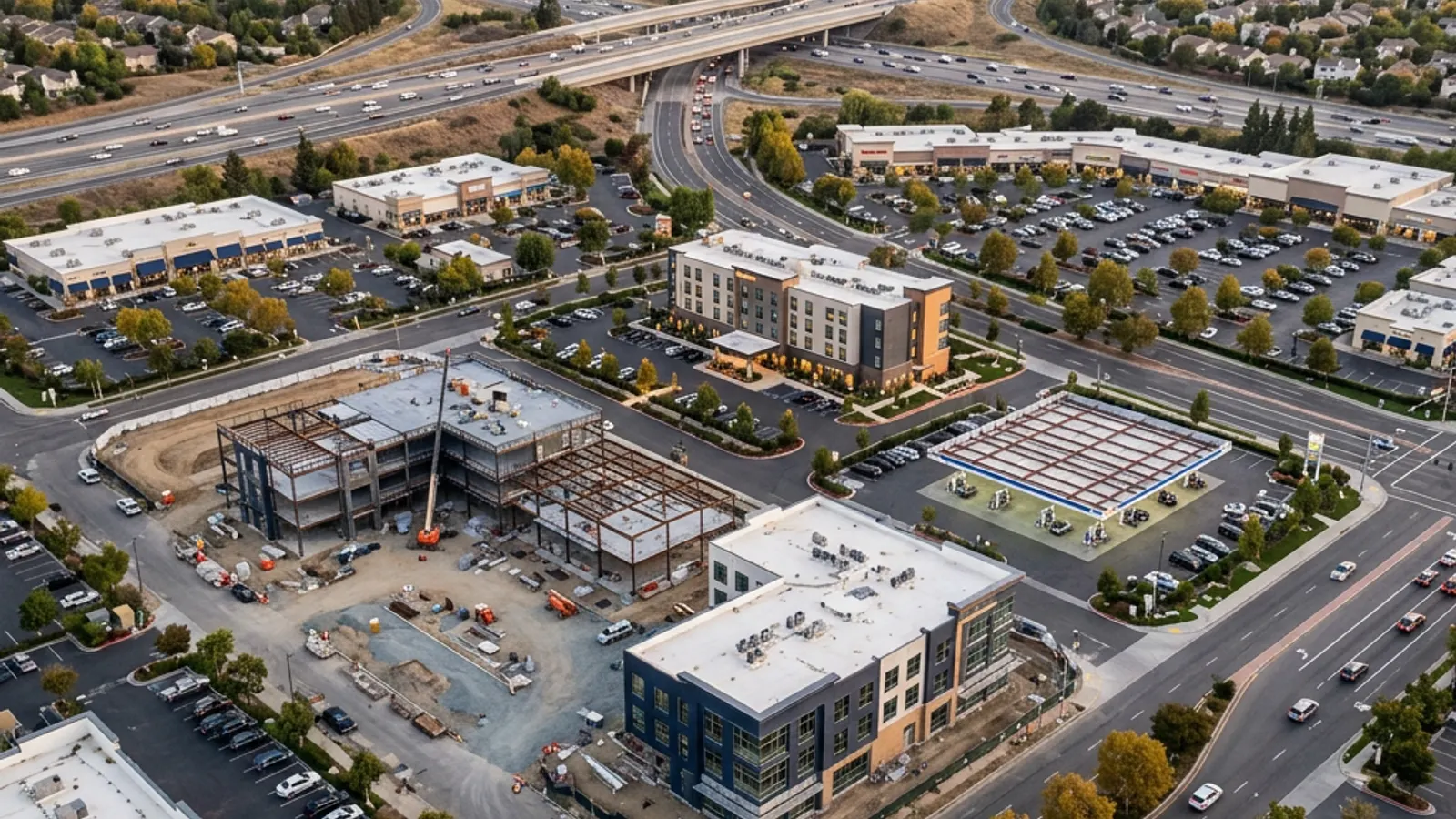
For example, a proposed hotel may appear attractive based on population and tourism growth. However, if competing hotels already have excess room capacity, the proposed project may face significant occupancy and pricing pressure.
3. What is the realistic revenue potential?
Revenue projections should be supported by independent market evidence and clearly identified assumptions.
The study evaluates whether the proposed revenue is reasonable in relation to:
- Market size.
- Customer demand.
- Pricing.
- Expected sales volume.
- Capacity.
- Competition.
- Industry benchmarks.
- Operating history, when available.
The report should explain the mathematics and assumptions supporting its projections.
4. Can the business generate enough cash flow to repay the loan?
This is one of the most important components of lender underwriting.
The study evaluates projected operating income and debt-service capacity.
A commonly used financial measure is the Debt Service Coverage Ratio (DSCR):
DSCR = Cash Flow Available for Debt Service ÷ Annual Debt Service
For example:
| Financial item | Amount |
|---|---|
| Annual cash flow available for debt service | $300,000 |
| Annual principal and interest payments | $240,000 |
| DSCR | 1.25x |
A 1.25x DSCR means the projected cash flow is 25% greater than the annual debt-service obligation.
The appropriate minimum coverage threshold depends on the lender's policy, the applicable underwriting requirements, and the transaction. There is no single DSCR figure that guarantees SBA approval.
5. What happens if the projections are wrong?
A strong feasibility study should not depend exclusively on an optimistic forecast.
The financial analysis should examine potential downside conditions, including:
- Revenue below projections.
- Higher payroll expenses.
- Increased construction costs.
- Delayed project completion.
- Lower occupancy.
- Higher interest rates.
- Increased operating expenses.
- Reduced gross profit margins.
- Slower customer growth.
- Economic downturns.
Where appropriate to the project, Wert-Berater can provide multiple sensitivity scenarios, downside modeling, and probability-based risk analysis.
The lender can see how changes in the assumptions affect profitability, cash flow, and debt-service coverage.
6. Does the project have adequate capitalization?
The study reviews the project budget and financial structure.
This may include:
- Total development cost.
- Land and building costs.
- Construction costs.
- Equipment.
- Professional fees.
- Pre-opening expenses.
- Working capital.
- Contingencies.
- Sources and uses.
- Proposed debt.
- Equity contributions.
- Other financing.
The objective is to identify potential capital shortfalls and determine whether the proposed financing structure is consistent with the project's economic requirements.
7. What are the major risks?
The report identifies the material risks that could affect the project's success.
These may include:
- Weak demand.
- Market saturation.
- Inexperienced management.
- Construction delays.
- Cost overruns.
- Insufficient working capital.
- Revenue concentration.
- Dependence on a small number of customers.
- Regulatory issues.
- Labor shortages.
- Competitive pressure.
- Interest-rate exposure.
- Economic sensitivity.
Importantly, a useful feasibility study does not conceal unfavorable findings. It explains them and identifies possible risk mitigation measures.
5. What should the lender receive in the completed report?

A lender-grade feasibility study should provide a logical, documented analysis rather than unsupported conclusions.
Depending on the engagement scope and lender requirements, a Wert-Berater study may include:
| Report component | What it tells the lender |
|---|---|
| Executive summary | Overall project assessment and key findings |
| Feasibility determination | Whether the project is supportable under the stated assumptions |
| Project description | What is being financed |
| Market analysis | Size and characteristics of the market |
| Demand analysis | Evidence supporting potential customers and sales |
| Competitive analysis | Existing and proposed competition |
| Site analysis | Location suitability and accessibility |
| Industry analysis | Industry trends and operating conditions |
| Management review | Experience and operating capabilities |
| Development cost analysis | Whether project costs are reasonable |
| Sources and uses | How the project will be financed |
| Revenue projections | Expected sales and operating income |
| Operating expenses | Expected costs of operating the business |
| Financial projections | Long-term financial performance |
| DSCR analysis | Ability to service the proposed debt |
| Sensitivity analysis | Financial performance under alternative assumptions |
| Risk assessment | Potential threats and mitigating factors |
| Conclusions | Independent assessment of economic and financial feasibility |
Where appropriate, the engagement may also include a linked financial model, detailed supporting schedules, interest-rate stress tests, scenario modeling, and additional analytical exhibits.
The report should clearly distinguish between verified information, borrower-provided information, consultant assumptions, and estimates.
6. How long does an SBA feasibility study take?
The time required depends on the complexity of the project, the availability of information, the scope of the analysis, and the current research schedule.
Wert-Berater's typical standard delivery schedule is approximately 10–15 business days after receipt of complete project information, with more complex projects potentially requiring additional time.
Examples of projects that may require more extensive research include:
- Large hotels and hospitality developments.
- Manufacturing facilities.
- Healthcare facilities.
- Multi-location developments.
- Major construction projects.
- Businesses with limited operating history.
- Specialized or emerging industries.
The delivery schedule should be confirmed in the engagement agreement.
7. Why lenders and borrowers choose Wert-Berater
An SBA feasibility study should be prepared by a firm capable of understanding both the market and the financial underwriting implications.
Wert-Berater has provided feasibility and financial analysis services since 1998.
The firm supports:
- SBA 7(a) lenders.
- SBA 504 lenders and CDCs.
- Commercial banks.
- Community banks.
- Credit unions.
- USDA lenders.
- Investors.
- Developers.
- Business owners.
Our work includes independent market analysis, demand research, financial modeling, project cost review, underwriting support, and risk assessment. For bank financing outside SBA programs, see feasibility studies for conventional lenders; for transaction review, see investment due diligence.
Independent analysis
The purpose of an independent feasibility study is to provide an objective assessment of the proposed investment.
For lender-commissioned studies, the engagement should clearly identify the lender and any other authorized reliance parties. The analytical conclusions are determined by the evidence and the engagement scope, not by whether the borrower or lender wants a favorable result.
Financial analysis beyond basic projections
A useful feasibility study should go beyond a simple five-year spreadsheet.
Depending on the project, Wert-Berater can develop:
- Ten-year financial projections.
- Revenue and operating expense models.
- Construction and development budgets.
- Sources and uses.
- Debt-service coverage.
- Global cash-flow considerations.
- Interest-rate sensitivity.
- Revenue and expense stress tests.
- Break-even analysis.
- Scenario modeling.
- Probability-based risk analysis.
- Long-term financial performance assessments.
Designed for lender review
Our objective is to provide a report that helps the lender understand the project, identify weaknesses, evaluate repayment assumptions, and document the analytical basis for its credit decision.
Learn more:
- SBA Feasibility Studies: https://www.wert-berater.com/feasibility/
- Lender Ordering Portal: https://www.wert-berater.com/lenders/
- Order a Feasibility Study: https://www.wert-berater.com/lenders/order-feasibility-study.html
8. Frequently asked questions about SBA feasibility studies
Is an SBA feasibility study required for every SBA loan?
No. The applicable SBA SOP, transaction circumstances, and lender's underwriting requirements determine whether a separate feasibility study is needed.
Can I order an SBA feasibility study before applying for a loan?
Yes. A borrower can contact Wert-Berater to discuss the proposed project and prepare for lender review. However, the lender should confirm the scope and reliance requirements before the engagement begins.
Does the SBA prepare the feasibility study?
No. An independent feasibility study is prepared by a qualified third-party consultant when requested by the lender or otherwise required for the transaction.
Can the same study be used for SBA 7(a) and 504 financing?
Possibly, but the report must address the applicable program requirements and the requirements of the lender and CDC. The scope and intended reliance should be confirmed before work begins.
What if I do not have financial projections?
Wert-Berater can discuss developing financial projections and an integrated financial model as part of the engagement. Historical financial information and operating assumptions will still be important.
Does a feasibility study guarantee SBA loan approval?
No. The study is an analytical document that supports the lender's underwriting process. Loan approval depends on eligibility, creditworthiness, repayment ability, collateral and other applicable lender and SBA requirements.
Can Wert-Berater work directly with my bank?
Yes. Wert-Berater supports lender-commissioned assignments and can coordinate appropriate project information, engagement requirements, report delivery, and analytical questions with the lender.
What does an SBA feasibility study cost?
The fee depends on the type of project, industry, location, research requirements, complexity, financial modeling, and delivery schedule. A fixed fee is established in writing before the engagement begins.
How do I know whether my lender will accept the study?
The best approach is to have the lender confirm the consultant, report scope, and reliance requirements before the study begins. This avoids paying for a report that does not address the lender's expectations.
Explore the SBA feasibility resource library
Use this permanent ordering guide alongside the related program, transaction and underwriting resources below. Your lender or CDC should confirm the requirements that apply to your transaction.
- SBA 7(a) feasibility studies — market evidence, business projections and repayment assumptions.
- SBA 504 feasibility studies — fixed-asset projects and lender/CDC review.
- Business acquisitions and due diligence — test operating performance, purchase assumptions and transition risks.
- Startup feasibility and financing preparation — assess demand, startup costs and the operating ramp-up.
- DSCR and debt-service coverage — understand coverage calculations and program-specific context.
- Preparing for SBA lender underwriting — connect independent analysis to the lender's credit review.
Ready to begin? Use the existing lender ordering process for institutional registration, secure project documents and engagement tracking. Borrowers may discuss a project with Wert-Berater before the lender confirms scope and reliance.

9. Order your SBA feasibility study
If your lender has requested an independent feasibility study, or if you want to prepare your project for SBA financing, contact Wert-Berater.
We can review the project, discuss the appropriate analytical scope, identify the information needed, and provide a written engagement proposal.
Wert-Berater, Inc.
Independent Market Intelligence & Feasibility Advisory
Since 1998 | SBA 7(a) | SBA 504 | USDA | Conventional Lending
Website: https://www.wert-berater.com/
Telephone: +1 310-857-2443 ext. 800
Email: dsafranek@wert-berater.com
Borrowers: Discuss your project and ask your lender to confirm the required feasibility-study scope.
Lenders and CDCs: Engage an independent analytical resource to support your underwriting and credit-review process.
Sources and disclosure
U.S. Small Business Administration, SOP 50 10: Lender and Development Company Loan Programs; Information Notice 5000-880695, Issuance of SOP 50 10 8.1. Related reading: SBA underwriting standards 2023 to 2026.
Wert-Berater, Inc. is an independent analytical and advisory firm. The firm does not arrange or place financing, and a feasibility study does not guarantee SBA or lender approval. Engagements are subject to the agreed written scope; the engagement agreement governs fees, reliance and delivery. Photographs on this page are illustrative generated images.