
Aquaculture is rapidly becoming a major contributor to global food production, providing sustainable alternatives to traditional fishing methods.

Firm-wide engagement figures are distinct from project-specific findings and their stated source periods.
Aquaculture is rapidly becoming a major contributor to global food production, providing sustainable alternatives to traditional fishing methods.
As the demand for seafood continues to grow, understanding the feasibility of aquaculture projects is crucial.
A well-conducted feasibility study assesses the potential for success, helping to identify challenges and opportunities before investment.
Aquaculture is the practice of farming aquatic organisms, including fish, crustaceans, mollusks, and aquatic plants.
It can occur in various environments like freshwater, brackish water, and saltwater.
The global demand for seafood is staggering; by 2030, it is projected that aquaculture will provide about 60% of the world's fish for consumption .
With protein being a crucial part of diets, aquaculture presents a viable, sustainable solution.
AquacultureFeasibility Study Importance of Feasibility Studies in Aquaculture A feasibility study is essential for anyone looking to enter the aquaculture industry.
It examines critical factors such as technical, economic, environmental, and social aspects.
Understanding these elements can significantly improve the success rate of new ventures and investments.
To ensure your feasibility study is thorough, follow these steps:
While feasibility studies provide valuable insights, challenges can arise:
Conducting a thorough aquaculture feasibility study is vital for aspiring entrepreneurs and stakeholders.
By meticulously examining technical, economic, environmental, and social factors, you can make informed decisions that pave the way for successful operations.
Although challenges exist, the insights gathered can greatly reduce risks, enhancing the likelihood of success in this promising field.
In the ever-changing landscape of food production, aquaculture holds incredible potential.
With solid planning and assessment, we can unlock this potential and contribute to a sustainable future in food sources.
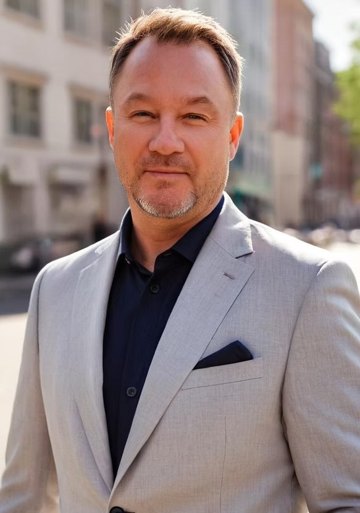
President, Wert-Berater, Inc. — independent feasibility study consultants since 1998. 4,000+ engagements completed across all 50 states and internationally, evaluating $43.8 billion in project value for SBA, USDA, EB-5, conventional, and institutional financing decisions. Fiduciary duty runs to the lender and agency in every engagement.
+1 310-857-2443 ext. 800 · email · 1968 South Coast Hwy, Ste 2382, Laguna Beach, CA 92651 · 111 Town Square Pl Ste 1238 PMB 657834, Jersey City, NJ 07310 · 539 W. Commerce St #8486, Dallas, TX 75208 · 66 W Flagler Street, Suite 900, PMB 12704, Miami, FL 33130
Schedule a ConversationIndependent feasibility studies since 1998 — 4,000+ engagements, $43.8 billion in evaluated project value. Standard delivery in 10 to 15 business days. Fiduciary duty to the lender and agency.
Legal disclosure. Wert-Berater, Inc. offices are mailing addresses only. Following the COVID-19 pandemic the firm has elected to work remotely; its office locations receive mail and are not staffed for visitors or in-person meetings. Headquarters mailing address: 1968 South Coast Hwy, Ste 2382, Laguna Beach, CA 92651.
Wert-Berater, Inc. is an independent provider of feasibility studies and other related services. The firm does not provide financing or equity investment advice, and does not arrange, broker, or place debt or equity capital of any kind.
All appraisal assignments are performed by Bruce E. Jones, MAI, ASA-GC, BCA, CMEA, a member of the Appraisal Institute since 2006, a staff member of Wert-Berater, Inc. and owner of Special Purpose Realty Valuation.
Thousands of real estate, business, and machinery appraisal and litigation assignments.