
As the senior population rapidly increases, the need for suitable housing and care options is more pressing than ever.
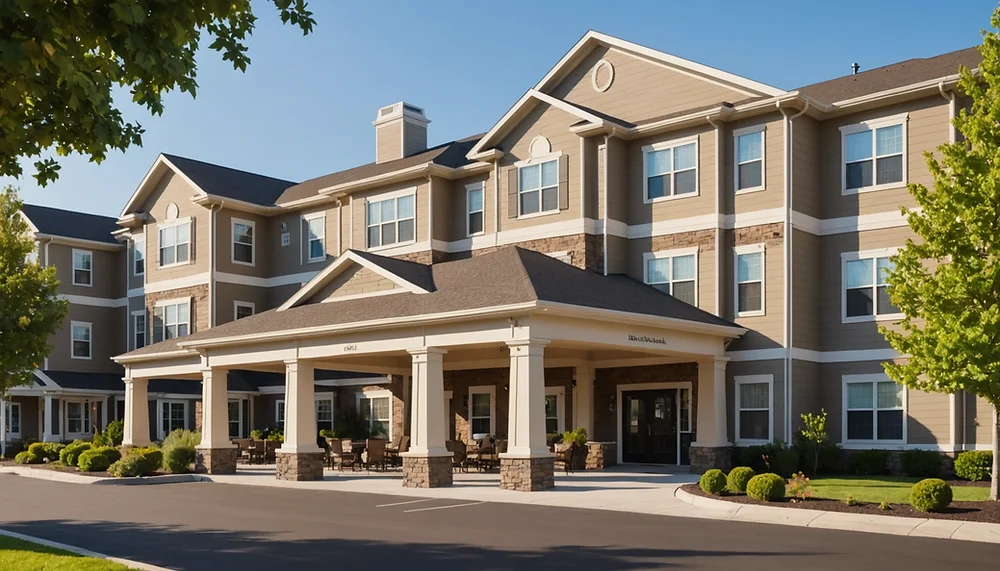
As the senior population rapidly increases, the need for suitable housing and care options is more pressing than ever.
For developers, investors, and communities entering the senior housing market, assisted living and senior housing feasibility studies are a critical step.
These studies shed light on market trends, community needs, and financial feasibility.
In this blog post, we explore the significance of senior housing and care feasibility studies, their essential components, and how they facilitate informed decision-making.
Feasibility studies are detailed analyses designed to determine the viability of a proposed project.
When it comes to senior housing , these studies assess if building or renovating a facility can effectively meet community needs while remaining financially sound.
These studies cover multiple aspects, including market research, financial forecasts, regulatory requirements, and design considerations.
By providing a structured overview, feasibility studies minimize risks and ensure that all elements of a potential project are thoroughly evaluated.
Where the immediate need is competitive and demand evidence rather than a lender-reliance conclusion, multifamily and seniors housing market reports can be scoped to independent living, assisted living and memory care as separate product types.
The growing senior population presents both challenges and opportunities for housing developers.
One key aspect is comprehending community needs. Feasibility studies empower developers to analyze crucial demographic information.
For instance, in many regions, seniors aged 65 and older make up over 15% of the population and are projected to grow, making it essential to understand their specific needs.
For example, if research shows a strong preference for independent living communities compared to assisted living accommodations, developers can tailor their projects accordingly, enhancing their chances of success.
Additionally, feasibility studies identify existing competition in the market.
Understanding other senior housing options, including the range of services, pricing, and occupancy rates, is essential for developing a competitive strategy.
For instance, if groups of similar facilities show an occupancy rate over 85%, this indicates strong demand in that area.
senior housing facility feasibility study Key Components of Feasibility Studies Market Analysis Market analysis is the cornerstone of any feasibility study. This involves examining the local senior demographic, competitive dynamics, and current housing trends.
Developers need to understand neighborhood demographics and assess the demand for different types of senior housing.
For example, analyzing census data could reveal that 70% of seniors in an area prefer single-level living spaces.
Feedback from local senior centers through surveys can further clarify preferences, guiding developers in creating suitable accommodations.
Financial viability is another fundamental element of feasibility studies. This assessment covers estimated construction and operational costs, along with projected revenue sources.
Developers must create comprehensive budgets that include land acquisition, facility design, marketing, and ongoing operational expenses.
A break-even analysis can determine when a project is likely to become profitable.
For instance, a project that costs $3 million and generates $400,000 in annual revenue would take about five years to break even.
Exploring grant opportunities and funding sources is crucial.
Many federal programs and partnerships with non-profits can significantly bolster financial support for senior housing initiatives.
Selecting the right location for senior housing is essential.
Developers must consider factors like access to public transportation, proximity to essential services such as hospitals and grocery stores, and the overall safety of the area.
Design features should accommodate seniors’ needs.
For instance, incorporating wide hallways, quick access to common areas, and inviting outdoor spaces can significantly improve residents' quality of life.
Research shows that facilities with ample natural light and green spaces report higher resident satisfaction rates.
Feasibility studies must also address the local laws and regulations that influence senior housing development.
Factors such as zoning laws, building codes, and licensing requirements can significantly impact project timelines.
Working with legal experts during this phase ensures compliance with local regulations, helping to prevent potential hurdles or delays.
Taking the time to address these aspects can mean the difference between a smooth opening and frustrating setbacks.
senior housing facility feasibility study Strategic Insights for Implementation Senior housing feasibility studies are essential tools for developers and communities aiming to meet the increasing needs of senior residents.
By offering thorough analyses of market demands, financial viability, site considerations, and regulatory requirements, these studies lay the groundwork for successful project execution.
Investing time and resources into these studies can create a thriving community for seniors.
With detailed assessments and strategic planning, developers can produce housing that not only caters to the aging population's needs but also promotes a vibrant, supportive environment.
As the demand for senior housing keeps climbing, conducting comprehensive feasibility studies is more important than ever.
Utilizing this approach ensures that projects are financially sound and responsive to the evolving needs of our elders.

President, Wert-Berater, Inc. — independent feasibility study consultants since 1998. 4,000+ engagements completed across all 50 states and internationally, evaluating $41.2 billion in project value for SBA, USDA, EB-5, conventional, and institutional financing decisions. Fiduciary duty runs to the lender and agency in every engagement.
+1 310-857-2443 ext. 800 · email · 1968 South Coast Hwy, Ste 2382, Laguna Beach, CA 92651 · 111 Town Square Pl Ste 1238 PMB 657834, Jersey City, NJ 07310 · 539 W. Commerce St #8486, Dallas, TX 75208 · 66 W Flagler Street, Suite 900, PMB 12704, Miami, FL 33130
Schedule a ConversationIndependent feasibility studies since 1998 — 4,000+ engagements, $41.2 billion in evaluated project value. Standard delivery in 10 to 15 business days. Fiduciary duty to the lender and agency.
Legal disclosure. Wert-Berater, Inc. offices are mailing addresses only. Following the COVID-19 pandemic the firm has elected to work remotely; its office locations receive mail and are not staffed for visitors or in-person meetings. Headquarters mailing address: 1968 South Coast Hwy, Ste 2382, Laguna Beach, CA 92651.
Wert-Berater, Inc. is an independent provider of feasibility studies and other related services. The firm does not provide financing or equity investment advice, and does not arrange, broker, or place debt or equity capital of any kind.
All appraisal assignments are performed by Bruce E. Jones, MAI, ASA-GC, BCA, CMEA, a member of the Appraisal Institute since 2006, a staff member of Wert-Berater, Inc. and owner of Special Purpose Realty Valuation.